Archives 2026

10CRIC Bet on F1: What Indian Punters Need to Know

10CRIC Bet on F1 – Full Guide for Indian Punters

Why 10CRIC Stands Out for F1 Betting

When you look for a place to place your money on the next Grand Prix, 10CRIC shows up as a practical choice for Indian gamblers. The platform mixes a solid sportsbook with a full‑blown casino, so you can shift from a live race bet to a quick slot spin without leaving the site.

Another point that matters is the licensing. 10CRIC holds a reputable licence from the Curacao Gaming Authority, which means the odds are fair and the payouts are protected under regular audits. For F1 fans, this translates into reliable live‑stream odds, in‑play markets and a decent selection of exotic bets that many local bookmakers simply do not offer.

Registration and Account Setup

Getting started on 10CRIC is a straightforward process. Click the “Sign Up” button on the homepage, fill in your email, choose a strong password and confirm your phone number with an OTP. The whole registration can be completed in under five minutes.

After you log in, you’ll be prompted to verify your identity – a KYC step required by most licensed operators. Upload a clear copy of your PAN card or Aadhar, plus a utility bill for address proof. The verification usually clears within 24 hours, after which you can place your first F1 bet with confidence.

KYC and Verification Details

The verification documents must be legible; blurred scans cause delays. Make sure the name on your ID matches the name on your betting account. If the system asks for additional proof, such as a bank statement, provide a recent one (within the last three months) to speed up the process.

Bonuses and Promotions for F1 Fans

10CRIC loves to reward new users, especially those who enjoy high‑octane sports like Formula 1. Upon your first deposit you can claim a welcome bonus that matches up to 100 % of the amount, up to INR 10,000, with a reasonable 5× wagering requirement on sports bets. This boost can be used on any F1 market – race winner, fastest lap, podium finishes, you name it.

If you’re looking for ongoing offers, you’ll find weekly free‑bet coupons, cashback on losing bets and special “Grand Prix” promos that increase the odds on selected races. For a quick look at the latest bonus structure, check it out.

Betting Markets and Live Options for F1

10CRIC’s sportsbook covers a wide range of Formula 1 markets. Whether you are a casual viewer or a meticulous data‑driven punter, you’ll find something that fits.

Here are some of the most popular F1 markets you can explore:

  • Race Winner – simple bet on who crosses the line first.
  • Podium Finish – pick any of the top three drivers.
  • Fastest Lap – wager on which driver sets the quickest lap time.
  • Head‑to‑Head – compare two drivers directly, useful for team fans.
  • Season Champion – long‑term bet that pays out at the end of the season.
  • In‑Play Corner & Pit‑Stop bets – very niche, but exciting during live action.

Live betting opens a few minutes before the race starts and stays active throughout the Grand Prix. Odds update every few seconds, so you can chase a changing race narrative, like a surprise tyre strategy or an unexpected safety car.

Payment Methods, Deposits and Withdrawals

Indian players have many familiar options to move money in and out of 10CRIC. Most deposits are instant, while withdrawals may take a little longer depending on the method you choose.

Payment Method Deposit Time Withdrawal Time Fees
NetBanking (HDFC, ICICI, SBI) Instant 24‑48 hrs None
UPI (Google Pay, PhonePe) Instant Same day None
Credit/Debit Card (Visa, MasterCard) Instant 2‑3 days 0.5 % (max INR 200)
E‑wallets (Paytm, Skrill) Instant 24 hrs None

When you request a withdrawal, 10CRIC typically asks for a copy of the same document you used for KYC. This step prevents fraud and guarantees that the funds go to the rightful account holder.

Mobile Experience and App

If you prefer betting on the go, the 10CRIC mobile platform works smoothly on both Android and iOS. The responsive website loads fast on 4G networks, but there is also a dedicated app that you can download from the official site.

Key mobile features include:

  • One‑tap deposit using UPI or wallet.
  • Live‑stream integration for selected F1 races.
  • Push notifications for bet confirmations and odds changes.
  • Touch‑friendly navigation for quick market selection.
  • Secure login with fingerprint or facial recognition (Android 11+, iOS 14+).

The app also stores your favourite markets, so you can set a “quick bet” for the next Grand Prix without hunting through menus.

Security, Licensing and Responsible Gambling

Security is a top priority at 10CRIC. All data transfers are encrypted with SSL 256‑bit technology, and passwords are stored using salted hashing. The Curacao licence ensures the operator follows international standards for fair play and player protection.

Responsible gambling tools are built into the platform. You can set daily, weekly or monthly deposit limits, self‑exclude for a chosen period, or even close the account permanently if you feel it’s needed. The support team is trained to guide you through these options and can provide referrals to local counselling services in India.

Frequently Asked Questions

Below are the most common queries from Indian users who want to 10CRIC bet on F1:

  • Is 10CRIC legal for Indian players? Yes, the site accepts Indian residents and operates under a Curacao licence that is recognised internationally.
  • Can I bet in Indian Rupees? Deposits can be made in INR, and most betting markets display odds in decimal format which is familiar to Indian punters.
  • How fast are withdrawals? Most e‑wallet withdrawals are processed within 24 hours, while bank transfers may take 2‑3 days.
  • Are there any promos specific to F1 races? 10CRIC rolls out special ‘Grand Prix’ bonuses before major races, often boosting odds or offering free‑bet credits.
  • What should I do if I run into a verification issue? Contact customer support via live chat – they usually resolve KYC concerns within a few hours.
Official Valentino Clutch Sculptural Hardware

The Safe Places to Buy Valentino Bags

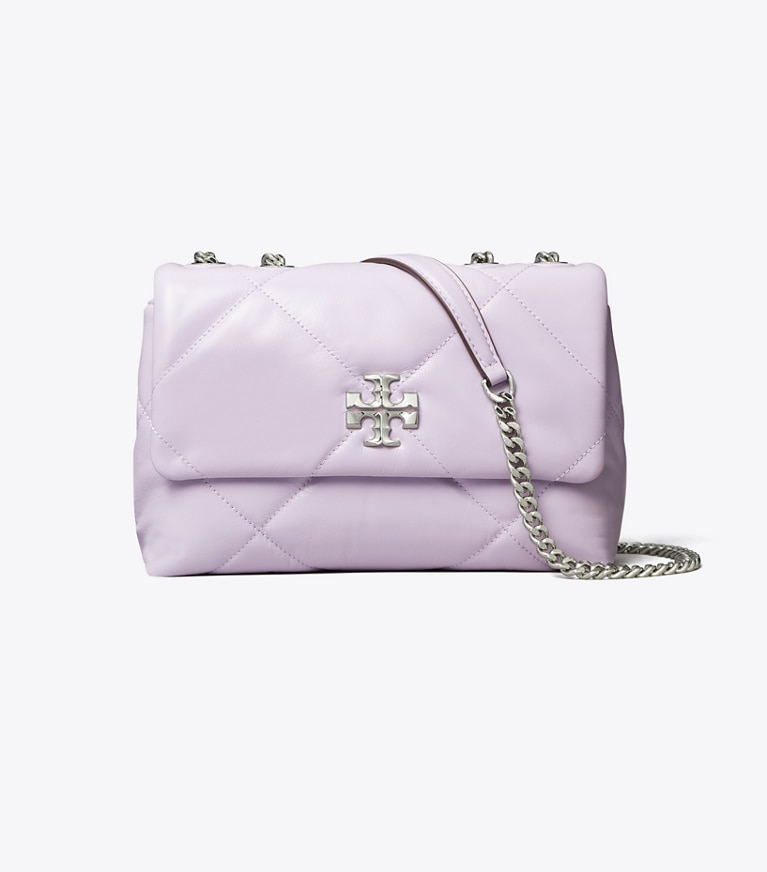
Buying a Valentino bag is much simpler in practice than online chatter suggests, yet the hazards are narrow and specific and they snare even seasoned buyers. Two official channels exist at full price: the house’s own webstore and boutiques, plus a defined group of department stores and luxury e-tailers that stock the line under proper buying agreements. Everything outside that set needs a reason to be there before you part with money. The real risks come down to two: counterfeits sold through sites styled as an official outlet, and a quieter mix-up in which a shopper walks away with an authentic bag made by a completely different company that shares part of the name. The second risk involves no fraud whatsoever, and that is precisely why it fools people. Every figure quoted below is an observed 2026 market price, not an official price list.

Buying Direct From the House

The shortest route to a Valentino Garavani bag starts at the brand’s own webstore and boutiques, where provenance never becomes a question you have to answer. You also get the entire current range there: the September 2026 filters list Alltime, Antibes, Carry Secrets, DeVain, Djuna, Flutterby, Laseine, Locò, Nellcote, Panthea, Rockstud, Rockstud Spike, Vain, VLogo Signature and VSling. Buying direct also settles the dust bag, interior tag and paperwork question. The bags are made in Italy, and the brand’s own product pages state as much. There is one quirk worth noting: the US site has no crossbody category page, and its bag navigation valintinobags.com/tote-bags runs Shoulder Bags, Totes, Top Handle Bags, Clutches, Wallets and Small Leather Goods. Any buyer after a Valentino crossbody bag should search by style name or go to a retailer that does maintain a crossbody page.

Authorised Retailers You Can Trust

A finite list of retailers has been verified as stocking the line, short enough to memorise: Neiman Marcus, Bergdorf Goodman, Saks Fifth Avenue, Nordstrom, Mytheresa, Net-a-Porter, Farfetch, Selfridges, Harrods, Giglio and Tessabit. What they share is real buying relationships, published return policies and staff who answer the phone. They are usually the better bet, since their category pages are built around how people actually shop. Where the house’s own navigation does not invite it, a retailer will show you every Valentino shoulder bag in stock across price bands, or filter a Valentino tote bag under a set figure. Depth of stock is uneven between them: a Rockstud small shoulder bag may be $2,100 in grainy calfskin at one and gone entirely at another. If a seller is neither the house nor on that list, treat it as unproven until you have a reason to think otherwise.

Legitimate Discounts: Sales, THE OUTNET and Outlets

A genuine Valentino bag sale exists, and it looks nothing like the permanent seventy-percent banners on scam sites. The house runs official seasonal sales on its own site, with dedicated sections for women’s and men’s bags and accessories, and as of September 2026 the US sale page stated the Spring/Summer 2026 sale had ended. The underlying page structure references private sales, which points to a newsletter or invitation-gated mechanic rather than a permanently open discount store. Valentino Garavani is sold by THE OUTNET, the off-price arm of Net-a-Porter; its stocking of the label is verified, while the depth of the discounts is not. An outlet boutique operates at The Mall Firenze in Leccio Reggello, Tuscany, selling ready-to-wear alongside Valentino Garavani accessories, and a Valentino store is reported at Fidenza Village. What is not established is the discount depth, the sale calendar, or whether a standalone official online outlet exists. Take discounts as opportunistic rather than dependable, since the entry band already covers VLogo Signature clutches at $650 to $790 and the Rockstud mini shopping bag at $1,390.

The Off-Price Trap That Catches Almost Everyone

This is the most useful paragraph in the article, so read it twice. Nordstrom Rack, Saks OFF 5TH and TJ Maxx do carry bags branded Valentino, but those are “Valentino by Mario Valentino”, made by Mario Valentino S.p.A., a separate and unrelated company founded in Naples in 1952. Those bags are authentic; they are simply not from the couture house, they sit at a different price point, and they will never behave like a Garavani piece on resale. There are legal roots to the confusion: Mario Valentino says it has held the US trademark for handbags and leather goods since 26 April 1971, senior US rights corroborated in legal reporting. After Valentino S.p.A. sued in July 2019, the two companies litigated; settlement came with a dismissal without prejudice on 14 June 2024, terms undisclosed, leaving either side free to return to court. The shopper’s test needs two seconds: the luxury house’s bag reads VALENTINO GARAVANI, while a bag reading only “Valentino” with “Mario Valentino” inside is a genuine Mario Valentino.

How Fake Outlet Sites Advertise Themselves

Counterfeit operations cluster around the idea of an outlet, because an outlet is the only story that explains an impossible price. The pattern is recognisable without naming a single site: the web address stacks the brand name with words like outlet, sale, online or store, or bolts a country name or two-letter suffix onto it. Some of these operations state openly in their own copy that they sell replicas. Very low trust scores come back from scam-checking services across the whole cluster, and these sites appear and vanish faster than a real retailer could build inventory. The giveaway that settles it is economic, not technical: deep, permanent discounts on current-season stock that is not sold as second-hand. A luxury house does not run that, and if a Rockstud Spike in nappa is offered at $300 when the small nappa version is observed at $2,800, the price itself is the evidence.

How the Channels Compare

The landscape is condensed in the table into the decision most buyers are actually making. Each row says what a channel is best used for and where it can go wrong. The authorised retailer row covers the eleven named businesses verified as stocking the line, rather than any store that displays the name. Read the resale row not as a warning against resale, which is legitimate and often excellent, but as a reminder that the platform’s authentication policy is part of what you are buying. Treat the risk column as a thing to guard against, rather than a reason to avoid a channel altogether. None of it stands in for reading the label on the bag in front of you.

Channel Best suited to Chief risk
The house’s webstore and boutiques The full current range, no doubt at all Full price, and no crossbody category
The eleven verified retailers Better filtering, familiar returns Patchy stock; cross-border duties
The seasonal sale and THE OUTNET Genuine reductions Unpredictable timing and discount depth
The outlet boutiques in Italy In-person purchases No established discount depth
US off-price retail chains Nothing but Valentino by Mario Valentino Taking another company’s bag for this one
The established resale platforms Archive styles plus the deepest discounts Authentication standards vary a great deal
“Outlet” sites reached through ads Nothing whatsoever Fakes; impossible permanent discounts

Buying Pre-Owned Safely

Handled carefully, the big resale market delivers the best value in the category. Established platforms include Fashionphile, The RealReal, Rebag, Vestiaire Collective, Collector Square, Yoogi’s Closet, 1stDibs, ThredUp, eBay and JoliCloset, and they differ enormously in how much authentication happens before a listing goes live. The only route to archive styles is resale: Roman Stud, One Stud, Supervee and the VLogo Escape tote have dropped out of the current filters, and a pre-owned VLogo Supervee shoulder bag was observed around $866. Expect prices well below retail: one aggregator lists pre-owned Valentino Garavani from $54 to $6,300, averaging $817. A medium Rockstud Spike has been observed near $1,700, against roughly $2,900 new. Ask for close photographs of the interior tag, stitching and hardware engraving instead of flattering exterior shots, then read the return window and authentication guarantee in writing.

The Checks Worth Making

Run a short list before paying on any channel; it works everywhere. The interior tag should read VALENTINO and GARAVANI in capitals with MADE IN ITALY, sewn down on all four sides, with even font weight and clean, unsmudged stamping. A serial number usually appears on a tag inside an interior pocket, but it is not universal, older models may carry none, and its absence alone does not prove a fake. That brings us to a specific red flag: Valentino has no date-code system of the kind other houses use, so a seller offering to decode one is either confused or reciting a script. Engraved rather than printed hardware logos, square zip pulls with rounded edges and deep engraving, uniform pyramid studs that are evenly spaced and firmly set, and stitching that stays even throughout. The authenticity card carrying model spec and serial comes from resale guides rather than the house, so read it as market practice; many pre-owned bags arrive without one. Check that the label reads Garavani before you look at anything else.

All Hoodie Cuts Listed Shop The Edit

Investment Pieces: Which Rick Owens Items Hold Their Value

Few luxury purchases are real investments, though a select set of Rick Owens pieces genuinely deserves that label. In a market where countless designer items lose half their worth the moment you remove the tags, this brand behaves differently. Some garments and shoes maintain, and now and then surpass, their original retail price on the resale market. This buyer’s guide ranks the pieces most deserving of your money, backed by concrete figures and clear reasoning for each. Whether you are buying your first piece or growing a serious collection, this list will sharpen your choices. We will also point out which pieces lose value, since knowing what to skip is half the battle. Treat this as your practical, ranked roadmap for spending smart in 2026.

1. The Leather Biker Jacket

If you purchase just a single investment piece, the leather jacket belongs at the top of your list, no question. These jackets, frequently made from heavy lambskin or cowhide, sell for 2,800 to 4,500 USD at full retail. Their value retention is exceptional, with well-kept examples frequently reselling at 70 to 90 percent of retail years later. The asymmetric zip, the angled seams, and the distinctive draped collar make these instantly recognizable as Rick Owens fashion. Retired colorways and archival cuts can actually gain value, sometimes changing hands above their original price. Leather also ages beautifully, developing a patina that many buyers actively prefer over factory-fresh condition. For sheer durability and demand, nothing in the catalog beats it.

2. The Geobasket Sneaker

The Geobasket may well be the most iconic silhouette the brand has ever made, and the resale numbers back that up. Retailing around 1,100 to 1,400 USD, these high-top sneakers built a cult following that refuses to fade. On the secondary market, sought-after colorways routinely meet or exceed retail, especially in the core black and milk tones. The leather construction and the towering, sculptural profile give them a rick owens hoodie us com presence few sneakers can match. Because the design has remained relatively consistent, demand stays steady rather than spiking and crashing with trends. Limited collaboration editions have historically fetched sizable premiums over standard pairs. As a wearable asset that also grounds any outfit, the Geobasket is tough to beat.

Why Sneakers Hold Value Differently

It is worth pausing to explain why footwear behaves uniquely in the resale economy. Sneakers enjoy a huge, liquid global market in which buyers actively chase specific models and sizes. Unlike clothing, shoe sizing is standardized, and that makes online resale quicker and more dependable. Iconic silhouettes such as the Geobasket and the Ramones build reputations that outlast any one season. Scarcity matters as well, because the brand never saturates the market with these designs. A Rick Owens sale on sneakers is comparatively rare, which keeps secondary prices firm. This combination of liquidity, scarcity, and standardization makes the right pair a genuinely smart hold.

3. The Ramones High-Top

Positioned right beneath the Geobasket, the Ramones still counts as a strong investment. This slimmer high-top, named in tribute to the punk band, usually sells for 900 to 1,300 USD. Its lower-key profile makes it more versatile for daily wear, which broadens its buyer pool considerably. Resale values stay strong, typically falling in the 60 to 80 percent range for pairs kept in good shape. The minimalist design ages well and matches effortlessly with the brand’s draped, layered looks. Since it is a touch more wearable than the towering Geobasket, it enjoys steadier everyday demand. For buyers who want an icon they will actually wear often, the Ramones is the sweet spot.

4. Archival and Runway Pieces

For the serious collector, nothing rivals genuine archival and runway garments in long-term appreciation potential. These are the scarce, season-specific creations that never saw wide release and survive in tiny numbers. Prices vary wildly, but standout archival pieces have sold for multiples of their original cost at specialist resellers. Provenance counts for a great deal here, so paperwork and condition can move value by thousands of dollars. Cocoon coats, sculptural gowns, and experimental tailoring from celebrated seasons are the prizes collectors chase. This category demands knowledge and patience, but the upside is the strongest in the entire catalog. Think of it as the blue-chip tier of Rick Owens collecting.

Value Retention at a Glance

To make comparison easy, the table below summarizes the key investment categories with realistic figures. The retention percentages reflect typical secondhand performance for pieces kept in good condition. Use these numbers as a baseline rather than a guarantee, since condition and rarity move the needle significantly. Observe how leather and iconic footwear top the field while basics lag behind. This snapshot should help you allocate a budget toward the pieces that genuinely hold. Well-timed buying around any Rick Owens sale can lower your entry point and lift your effective returns.

Item Retail (USD) Typical Resale Retention Investment Grade
Leather biker jacket 2,800 – 4,500 70 – 90% A+
Geobasket sneaker 1,100 – 1,400 85 – 100%+ A
Ramones high-top 900 – 1,300 60 – 80% B+
Archival runway piece Varies 100 – 300%+ A+
DRKSHDW hoodie 350 – 590 40 – 60% C

The Honest Truth About the Hoodie

Let us be honest about the most popular entry piece, since expectations need adjusting. A Rick Owens hoodie from the DRKSHDW line is a fantastic garment, but it is not a strong financial investment. These pieces are made in greater quantities, which inevitably dampens their resale performance over time. Expect to recover roughly 40 to 60 percent of retail when reselling a used hoodie in good shape. Even so, the hoodie justifies itself through pure wearability and years of dependable use. Regard it as a lifestyle buy rather than an asset you intend to flip. Buy it because you will wear it constantly, not because it will appreciate.

Tips for Protecting Your Investment

Buying the right pieces is just half the battle; keeping their value demands genuine care. Always keep original packaging, dust bags, and any authenticity documentation, since these materially affect resale prices. Keep leather clear of direct sunlight and humidity to ward off cracking and fading over the years. Rotate your sneakers and insert shoe trees to preserve the sculptural shape buyers pay a premium for. Clean garments according to the label and avoid harsh detergents that degrade specialty fabrics. When it is time to sell, reputable platforms safeguard both value and authenticity, so favor them over informal channels. A bit of upkeep can decide whether you recover half your money or nearly all of it.

What to Avoid as an Investment

Understanding which pieces flop financially matters as much as knowing which ones reward you. Loudly branded seasonal items and trend-led graphics tend to age fast and shed value the quickest. Basic jersey tees, while comfortable and useful, are produced in volume and recover little on resale. Pieces in unusual or polarizing colorways outside the core palette often struggle to find second buyers. Anything purchased in poor condition rarely improves, so damaged bargains seldom turn into profit. Trend collaborations can spike and then crash if the hype evaporates, making timing risky. Stay with the timeless core categories, and you dodge most of these value traps.

Final Verdict for 2026 Buyers

So where is your money best spent in 2026 if value retention is the goal? Start with the leather jacket and the Geobasket, add a Ramones high-top for daily wear, and pursue archival pieces only once you have the expertise. Treat the hoodie as the joyful, wearable purchase it is rather than a calculated bet. For current pricing and authentication, shop directly through rickowens.eu or a vetted retailer like SSENSE. Watch the calendar for a Rick Owens sale to improve your entry point on staple pieces. Shop deliberately, look after what you own, and your Rick Owens fashion collection can retain its value remarkably well.

What to know about withdrawals from Megarich Casino & Bookmaker’s online casino


Understanding withdrawal rules before playing can make an online casino experience easier to manage. At Megarich Casino & Bookmaker, the practical details to review include payment methods, account verification, processing times, currency compatibility, and any bonus conditions that may affect a cash-out. These points matter whether you play slots, join live dealer games, or use other casino features, while the MegaRich login reflects the brand’s focus on account access and casino services. Policies can vary by payment option and location, so check the current cashier information and terms in your account before depositing or requesting a withdrawal.

What to check before starting with Megarich Casino & Bookmaker

Begin by confirming which payment methods are available to you and whether the same method can be used for both deposits and withdrawals. Megarich lists options across crypto and fiat currencies, including Bitcoin, Ethereum, Litecoin, USDT, Skrill, Neteller, Apple Pay, Google Pay, Interac, Blik, MiFinity, and Revolut. Availability may depend on your country, account currency, and the cashier’s current conditions. A payment method appearing on a general list does not guarantee it is enabled for every player, so sign in and check the options displayed for your account before choosing how to fund casino play.

Next, read the withdrawal and identity-check requirements before claiming a bonus or making a deposit. Casinos may request documents to confirm identity, address, or ownership of a payment method, and an incomplete review can delay a cash-out. Bonus terms also deserve attention: wagering requirements, eligible games, expiry dates, and withdrawal limits can affect the amount you can receive. Megarich advertises a welcome bonus of a 100% match up to €1,000 plus 100 free spins, but the offer’s full terms—not its headline—determine how bonus funds and winnings are treated.

How to prepare for a casino withdrawal

A little preparation helps prevent avoidable delays later. These steps apply whether you are trying casino games for the first time or already have an account and want to understand the cash-out process. Follow the current instructions shown in the cashier, and contact support if an important detail, such as a minimum amount or processing estimate, is unclear.

  1. Review the cashier: Check available withdrawal methods, currencies, limits, and any fees shown for your account.
  2. Complete account checks: Submit requested identity or payment-ownership documents through the approved account process.
  3. Read bonus conditions: Confirm wagering progress, eligible games, time limits, and any maximum cash-out terms attached to an offer.
  4. Choose a suitable method: Select an enabled option that you can access and that supports the currency you intend to receive.
  5. Submit and monitor: Enter the requested amount carefully, confirm the details, and follow the status in your account or with support.
  • Check your account’s live cashier rather than relying on a general payment list.
  • Keep your account details and payment information consistent and accurate.
  • Allow time for both casino processing and any additional payment-provider handling.
  • Save relevant confirmation details until the transaction is complete.

Practical withdrawal details at Megarich Casino & Bookmaker

Withdrawal timing is not always the same as the time needed for a payment to arrive. A casino may first review a request, check account documents, and approve the transaction; after that, a bank, e-wallet, or blockchain network may apply its own processing time. Crypto payments can also depend on network activity and the accuracy of the destination address. Before confirming a transaction, verify the currency, amount, network where relevant, and receiving details. If the cashier displays a processing estimate or limit, treat that account-specific information as the most useful guide.

Promotions can change what is withdrawable, so separate cash balance from bonus balance when checking your account. Megarich’s stated bonus conversion limit is five times the bonus amount; this is a term to review alongside wagering and other offer conditions. A no-deposit promotion may also carry its own cap: the stated maximum withdrawal is €50 or the equivalent in CAD or AUD when the offer applies. These details should not be assumed to cover every promotion or account. Read the exact terms tied to your offer, and ask support to clarify anything that could affect a requested payout.

  • Payment eligibility: Confirm the method is enabled for withdrawals in your account and region.
  • Currency and limits: Review minimums, maximums, conversion details, and any charges before submitting.
  • Verification: Complete requested checks early to reduce the chance of a hold during review.
  • Bonus status: Check wagering progress and the offer’s cash-out cap before expecting promotional winnings to be available.

It can be useful to keep a simple record of the withdrawal date, selected method, amount, and any status updates. If a request remains pending beyond the estimate shown in the cashier, contact customer support with those details rather than submitting repeated requests. Avoid sharing passwords, one-time codes, or full payment credentials in a support conversation. Careful record-keeping makes it easier to identify whether a delay relates to casino review, missing verification, payment-provider handling, or a correction needed in the request.

Casino features and withdrawal planning

Withdrawal planning is part of managing an online casino account, not a reason to overlook the entertainment features themselves. Megarich describes a large casino catalogue, with more than 9,000 certified slots as well as live dealer games. Each game may contribute differently to promotion requirements, and some offers may exclude particular titles or game types. Before playing with bonus funds, check the offer’s game contribution rules and whether a game is eligible. This can help you understand wagering progress and avoid assuming that every spin or live table wager advances a promotion in the same way.

  • Slots: Check the game’s eligibility and contribution rules if you are wagering toward a bonus.
  • Live dealer games: Review whether table play counts toward promotion requirements and at what rate.
  • Sportsbook activity: Keep casino and sports betting balances or promotion terms distinct where the account presents separate conditions.
  • Payment choice: Consider access, currency support, and the cashier’s current withdrawal rules before depositing.

Having casino games and a sportsbook in one account can offer variety, including live in-play betting, but it does not mean that all balances or bonus terms are interchangeable. Check which wallet, promotion, or activity a transaction applies to before wagering. For responsible play, set a budget in advance and do not treat a withdrawal estimate as a promise of winnings or a reason to chase losses. Casino outcomes are uncertain, and you should only wager money you can afford to lose.

Trust, licensing, and account security

Megarich states that its platform operates under Curaçao licence OGL/2024/112/0974. A licence reference is useful context, but players should also review the operator’s current terms, privacy information, complaints process, and the rules applicable in their location. Licensing does not guarantee a particular withdrawal time or outcome. It is sensible to check whether online gambling is permitted where you live and to use the platform only if you meet its age and eligibility requirements. If a payment or account issue arises, use the official support channel shown on the casino platform and retain relevant transaction records.

Protecting your account supports a smoother cash-out process. Use a unique password, keep access to your registered email and payment accounts secure, and never let another person use your casino account. Provide only the documents requested through the platform’s approved verification route, and make sure images are clear and current. Before sending crypto, carefully verify the address and network because an incorrectly directed transfer may not be reversible. If something about a withdrawal request appears unfamiliar, pause and confirm it with support through the official account interface rather than following unsolicited messages or sharing security codes.

Why choose Megarich for casino play and cash-outs

Megarich may suit players who value a broad selection of casino entertainment alongside several payment choices, but the right decision depends on the terms and options available to each individual account. Before depositing, check that your preferred withdrawal method is enabled, understand the verification process, and confirm all limits and timing estimates. If you are considering a welcome offer or a no-deposit promotion, read its specific rules and calculate whether you can meet the requirements within the stated period. These checks make it easier to decide whether the casino’s payment arrangements fit your preferences without relying on assumptions.

Use the cashier and promotion terms as your primary reference, and ask a clear question before playing if a fee, currency conversion, document requirement, or bonus cap is uncertain. Keep withdrawal records, secure your account, and set personal limits for both time and spending. With those habits in place, you can approach Megarich’s casino games and live dealer options with a better understanding of how a future cash-out may work. No casino can guarantee winnings, so treat gambling as entertainment and stop if it is no longer enjoyable or affordable.

Sp5der Outlet Store Limited Edition Web Print Shop The Drop

What is the Sp5der VVS Sweatshirt?

The Sp5der VVS Hoodie is heavy-duty fleece hoodie embellished with crystal-style rhinestones that display brand graphics for a bright, “iced-out” look. VVS indicates diamond grading, signaling premium-shine, luxury‑oriented finish on a streetwear silhouette. Expect a boxy cut, dropped shoulders, textured cuffs and hem, plus a front kangaroo pocket.

The VVS application typically uses heat-set rhinestones positioned in tight, uniform patterns on printed or appliqué graphics. Because of the rhinestones, the garment feels heavier versus typical graphic hoodie and reflects light strongly under flash or direct sun. Color options change drops, but black, bubblegum pink, brown, and blue stay consistent. If you want the signature Sp5der style boasting maximum shine, this is the one collectors pursue.

How much does the Sp5der VVS Pullover price at?

Retail pricing typically lands between $250-$400 USD depending on specific drop, colorway, and embellishment density. On the secondary resale market, typical sizes and colors usually trade between 350 and 900 dollars, while rarer combinations sometimes exceeding that when brand new with tags.

What drives fluctuation? Seasonal drops, interest in bigger sizes, and quality (fresh vs. worn) move the needle. Early VVS colorways with mint black/pink pairs tend to command premiums, while heavily used pieces or scuffed stones sit lower. Track live pricing through different channels before committing; rapid research often reveals 10-20% price gaps can sp5der arbitrage through patience.

What size should you buy with the Sp5der VVS Hoodie?

The VVS garment runs boxy and slightly oversized; most buyers stick to true size for relaxed, flowing fit, size down for cleaner profile, and size up for a full streetwear baggy look. When you’re between sizes and like standard fit, sizing down remains the safer move.

Users frequently mention chest (pit‑to‑pit) specs around 21 inches for Small, 22-23 inches for Medium, 24 inches for Large, 25 inches for XL, and 26 inches in 2XL, with length growing proportionally. Fleece weight and crystal work create the hoodie structure, so it doesn’t cling like lightweight fleece. If you layer over tees and beneath jacket, true to size stays versatile. For wider shoulders or a long torso, prioritize chest width and torso length over the marking on the tag and confirm dimensions when buying resale.

Sp5der VVS Hoodie legit check: 12 concrete tests

Genuine VVS pieces have crisp branding, heavy fleece, and tightly set rhinestones; fakes cut corners on branding, crystals, and construction. Employ various checks together, not just one, and compare with a trusted reference listing.

Neck tag and hangtag: Fonts must be crisp, evenly spaced, and centered; fuzzy ink, off‑white tags, or offset registration are red flags. Care label: Material makeup, washing icons, and punctuation must be clean with consistent line spacing; erratic capitalization or lacking fabric details suggests a counterfeit. Rhinestones: You should feel separate, individual stones with a small edge; replica pieces often utilize sparkle vinyl or flat applications feeling smooth. Stone pattern: Lines stay straight and spacing stays consistent across the artwork; tilted lines, gaps, or irregular spacing suggest poor application. Glue and residue: Authentic stones position cleanly with minimal glue halos; visible blobs, cloudiness, or streaking around stones is common in fakes. Graphics beneath stones: When print layer exists, edges stay sharp with no bleeding into fleece; overspray or worn graphics stay suspect. Stitching: Inside overlock stitching should be tight and uniform with clean thread tips; loose tails, skipped stitches, or uneven seams are issues. Ribbing and cuffs: Thick, resilient rib knit that rebounds after stretching; thin, soft ribs that bag out quickly are common in cheaper blanks. Pocket form: The front pocket is balanced with clean bar tacks; irregular pocket edges or twisted seams indicate poor QC. Drawcords and ends: Strings feel dense, and tips are finished cleanly (no sharp flashing or sloppy adhesive). Feel and weight: Authentic pieces have a dense hand and fleece interior; overly light fleece or scratchy interior loops signal issues. Packaging and materials: Receipts plus order confirmations should match the seller’s story; templated receipts with generic store names or mismatched dates are unreliable.

Where can you buy the Sp5der VVS Hoodie safely?

Choose official brand channels when available, or to reputable marketplaces offering buyer protection and verification processes. Skip DMs, cash apps, or sites with unrealistic prices or “mirror/AAA” language.

Official drops and pop‑ups sell out quickly, but they remain the safest route to retail pairs. On the secondary market, choose platforms that provide verification or strong dispute processes. For peer-to-peer buying, insist on dated photos, interior labels, macro photos of the stone pattern, and precise garment measurements. Pay using protected methods like PayPal G&S and avoid shipping to different addresses. If the seller can’t produce a receipt, ask for purchase records screenshots and cross‑check product codes, tags, and packaging against known-good references.

Care, materials, and wearability

Look for substantial cotton fleece base with heat-set rhinestones; treat it like decorated streetwear, not gym kit. The safest routine includes cold delicate wash, inside‑out, in mesh bag, then hang-dry flat.

Heat stays the enemy of adhesive‑backed stones, so skip high‑temp drying and direct ironing over artwork. Should you must press, put a fabric barrier over the section and use low heat, no steam. A lint roller works better than brush on rhinestone work, and folding with stones face‑to‑face prevents abrasion. The hoodie holds shape well and layers cleanly over tees and long sleeves, though the added weight runs warm; in mild climates, it functions as outerwear. Proper care maintains sparkle and adhesion, substantially reducing loose stones over time.

Cost and availability snapshots by shade

The chart summarizes typical market ranges seen across major resale platforms in 2024–2025. Ranges fluctuate based on condition, size, and local demand, so verify current listings before you buy.

Colorway MSRP (USD) Typical Resale Range (USD) Availability Notes
Black $280-400 450–900 Heavy demand Most versatile; premiums for larger sizing (XL+)
Hot Pink $280-400 400–800 Moderate Periodic spikes around restocks or celebrity styling
Earth/Brown tones $250-380 380 to 750 Moderate Trendy in FW; prices soften in SS season
Blue tones 250 to 380 $350-700 Variable Cheaper floor but can jump if supply is thin

Pro tip for buyers

“Ask the seller for a daylight close-up photo of a 2×2 inch area of the stones plus a close‑up of the neck and care labels, then align them up side‑by‑side with a verified authentic listing. You need even stone spacing, clean glue halos, and matching label fonts; one mismatch doesn’t confirm fake, but two or more warrants to walk.”

This single request filters most replicas in minutes. Add a request for exact pit‑to‑pit and length dimensions, and you reduce return risk from bad fit simultaneously. time.

Fast facts you probably didn’t know about the VVS hoodie

VVS represents a diamond clarity grade (“Very Very Slightly Included”) that signals a high-shine intent in the design language. The stones are typically hotfix stones featuring thermal adhesive backing; you can detect individual edges and occasionally see faint adhesive halos on the fleece around every stone. Flash photography exaggerates glitter, so photos shot with flash often look brighter than in natural light. Because many releases maintain graphic dimensions consistent across sizes, the print can look bigger on small sizes and more proportional on bigger sizing. Storing folded with stones shielded or hanging on wide-shoulder hangers reduces stress points that can loosen stones over time.

Summary and purchase verdict

Buy the Sp5der VVS Hoodie if you desire a heavyweight, boxy streetwear hoodie with standout sparkle and you’re willing to handle decorated garments. Expect retail in the 250–400 USD band and secondary market pricing that moves with color, size, and quality.

Go true to size for loose drape, down one for neater lines, up one for baggy streetwear aesthetic. For authenticity, use combined checks—labels, stone grade, stitching, pocket symmetry, and clean glue—rather than any single tell. Shop official drops first, then use protected marketplaces and careful verification when buying resale. Should the price looks too good and the seller can’t meet photo and measurement requests, keep looking; another clean pair will appear.

HMDD Hoodie Care Tips Collector Insights

What HMDD Collaborations Mean for the Brand’s Identity

HMDD, short for Happy Memories Don’t Die, has built its name on a philosophy rather than a logo. The brand treats clothing as a vessel for nostalgia, and every collaboration it enters becomes a test of whether that idea can survive contact with another creative voice. When two brands merge visions, one of them usually bends. With HMDD, the bending tends to happen carefully, because the phrase “happy memories don’t die” is not just a tagline — it is the entire reason customers return. Collaborations force the label to answer a harder question than “what does this look like?” It has to answer “does this still feel like us?” That tension is exactly why HMDD’s partnerships matter more than a typical streetwear crossover.

Siphoning off outside buzz is often the point behind most fashion collabs get made. After a smaller label teams up with a more prominent name, there’s a jump in traffic — and then it moves on. In reality, HMDD’s approach comes across as different. Rather than going after the most attention-grabbing option, the brand usually choose collaborators who resonate with an emotional register that’s wistful, memory-driven, and quietly rebellious. Thanks to this careful curation, the brand identity holds together across drops — and it’s worth unpacking one element at a time.

Brand Team-Ups functioning as an Pressure Test on Brand-Identity: The Reason It Matters

A label’s identity stays most secure when it functions solo. Fabric choices, graphic placement, and fit decisions all remain within one team’s control. Trade-offs begin to accumulate as soon as a new creative partner enters. HMDD clothing has built recognition around specific signals: distressed graphics, oversized silhouettes, and text treatments that reference memory, loss, and time. Those defining markers could readily be flattened into something more generic by a collaborator with a sharper, more commercial aesthetic.

Right here is where restraint emerges as a calculated strength. Voices across the HMDDLA community have noted that joint-project items hold onto its signature aesthetic hmmdla.com/hoodies fingerprint: identical material heft, a matching distressed-print process, and the same emotionally charged titling found on tags and inserts. Such consistency doesn’t happen by chance. This implies an unspoken guideline: collaborators may shape palette or cut, but the emotional throughline is left intact.

Consider the alternative. If HMDD released a collab hoodie with bright, glossy branding and zero reference to its usual themes, longtime buyers would notice within seconds. The brand’s audience isn’t drawn in by trend-chasing; they’re drawn in by specificity. A single misstep — one collection that feels like merchandise rather than memory — could cost more trust than any short-term sales bump would repay.

What Exactly Collaborations Disclose About HMDD’s Own Stylistic Identity

Every partnership acts like a spotlight on creative patterns that might otherwise go unremarked. Any time HMDD partners with someone outside the brand, a few recurring traits recur across nearly every release: dense cotton fabrics (commonly in the 280–400 GSM range for hoodies and sweatshirts), loose-fitting boxy cuts, and manually worn-in or re-dyed finishes that give each piece a lived-in quality instead of a off-the-rack one. HMDD sweatpants in particular showcase this pattern — an easy, tapered fit, cuffed rib trim, and a fabric hand-feel that prioritizes ease over crisp shaping.

The same reasoning carries over to HMDD shorts. Rather than treating shorts as a filler category, HMDD applies the same worn-finish methods and type treatments seen across top-layer garments, so that a whole collection feeling cohesive instead of disjointed. Such uniformity spanning hoodies, sweatpants, shorts, and tees — hoodies, sweatpants, shorts, tees — is part of what makes people search specifically for “best hmdd clothing” rather than defaulting to a off-the-shelf streetwear alternative.

  • Fabric weight stays dense and weighty, even in warm-weather pieces like shorts.
  • Typography draws from script-style or worn-stencil styles instead of crisp sans-serif branding.
  • Tonal choices gravitate to muted blacks, washed greys, and subdued natural tones over saturated brights.
  • Graphics nod to nostalgia, transience, and the passage of time instead of pure logo placement.

As soon as a collaborator joins this ecosystem, the expectation is that they fall in line with HMDD’s aesthetic rather than impose their own. It’s a bigger demand than it seems, and that’s the reason not every proposed partnership ends up released.

The Strategic Reasoning Behind Choosing Partners Carefully

The economics of streetwear favor limited supply while penalizing overexposure. A brand that collaborates with everyone ends up standing out with none of them. HMDD’s drop schedule seems to prioritize scarce production numbers and sparsely spaced partnership releases rather than continuous co-branded output. Such timing accomplishes two goals simultaneously: it safeguards the brand’s sense of rarity, and it gives the design team enough runway to make sure each collaboration still reads as unmistakably HMDD.

A pricing rationale also deserves mention. Collaboration pieces in streetwear typically carry a premium over standard catalog items — often 15–30% higher — owing to increased production difficulty, restricted quantities, or dual-brand costs. Buyers checking an “hmdd review” beforehand often point to the price-versus-quality balance as the key factor, so any collaboration that raises price without raising perceived craftsmanship risks backlash rather than praise.

Because of this the most astute fashion partnerships operate more as shared research-and-development efforts than promotional gimmicks. Two teams pool techniques — maybe one contributes a dye process, the other contributes a silhouette — and the outcome ought to seem deserved instead of hastily assembled. If that equilibrium succeeds, both audiences convert into fans of the other brand. Should it fall short, each audience senses it was treated as secondary.

A Look at Contrasting Partnership Methods

In order to see where HMDD sits against standard streetwear collaboration strategies, it helps to look at a few widely-used methods applied across the industry in 2026. What follows below outlines three general collaboration models seen in the wider streetwear scene, not tied to specific named partners.

Type of Collaboration Core Aim Usual Drop Scale Risk to Brand Identity
Repeated co-branding Maximize exposure and attention Substantial, ongoing batches High — identity dilutes with overexposure
Single hype drop Quick sales jump Extremely scarce, single run Moderate — effect wanes once hype passes
Selective, values-aligned partnership (HMDD’s characteristic pattern) Reinforce core identity while reaching adjacent audiences Restrained, occasional Minimal — partner adapts to brand language rather than overriding it

HMDD’s collaborations generally fall into that third bucket. HMDD doesn’t seem eager to pack its release schedule with co-branded merchandise. Rather, each partnership looks crafted to answer a distinct creative question — a new fabric process, an unexplored color story, a different take on distressing — while leaving the emotional core of “happy memories don’t die” completely preserved.

What Shoppers Should Take Away in 2026

For those weighing HMDD against other up-and-coming streetwear names in 2026, collaborations offer a handy litmus test. If a co-branded item still feels distinctly HMDD — same fabric weight, same worn typography, same emotional resonance — that signals the brand’s identity is stable enough to survive growth. If future drops start feeling interchangeable with whichever partner is attached, that amounts to a warning sign worth keeping an eye on.

Anyone looking into HMDD sweatpants, HMDD shorts, or a collaboration release should pay attention to a few concrete details before buying: fabric weight listed in the product description, whether sizing runs true-to-size or intentionally oversized, and whether the piece is part of a serialized or limited run. These details carry more weight in collaboration releases than in standard catalog drops, since collaboration pricing tends to run higher and expectations climb accordingly.

Ultimately, HMDD’s collaborations act as identity checkpoints rather than purely marketing events. Every partnership tests whether HMDD can expand its audience without sacrificing the distinct, nostalgia-driven feel that earned it a following in the first place. So far, the pattern suggests a brand more interested in protecting its voice than chasing every available spotlight — and for a label built wholly around emotional resonance, that discipline may be its most valuable asset heading further into 2026.

Mike Amiri Runway Sneaker Amiri Brand Review

AMIRI Menswear: How to Plan a Wardrobe Around the Brand

AMIRI is a Los Angeles house grounded on hand-finished, deconstructed and visibly repaired denim, and that obvious fact should govern the order in which you buy it. The label is expensive enough that assembling a wardrobe piece by piece, with a plan, comfortably beats unplanned buying. Rather than a catalogue of everything made, this guide frames amiri clothing as a limited set of anchor pieces. The numbers below are observed market prices taken from 2026 retail listings, not an official price list. The aim is a rotation that reads as deliberate at three very different spending levels, and it assumes a handful of pieces rather than a full closet.

What the Purchase Gets

By the house’s own account the start is 2014, when Mike Amiri began the label in his hometown of Los Angeles; the CFDA agrees with that year. Against that sits the earliest contemporaneous document, a December 2014 press release dating the founding to 2013 in partnership with the Los Angeles concept store Maxfield, so the year remains genuinely contested. The first release was an exclusive capsule at Maxfield, and that alone explains why early pieces are so scarce. Amiri began hand-crafting stage pieces for what the brand and the CFDA describe only as legendary Los Angeles performers; retail editorial has named specific rock clients, the house has not. He still holds the majority; the minority stake is held by the Italian group OTB, chaired by Diesel founder Renzo Rosso, and it was acquired in 2019 on undisclosed terms. It showed at amiri t shirt Paris Fashion Week from 2018 and presents there twice a year, yet remains an American house, menswear-first, with womenswear arriving in 2021.

The Anchor Set

A workable version of amiri men’s dressing comes down to three anchors, one pair of jeans, one pair of shoes and one piece of jersey. The three carry distinct shares of the brand’s identity, and a bad choice hurts differently in each. Denim is where the labour is easiest to read, and it is where the money goes. The bones motif runs across every category, and footwear is where it reads at a distance. Jersey is where the logo does the work, which makes it the easiest category to over-buy. Buying one of each, in that order, leaves you something wearable long before you have spent an outfit’s worth.

Denim at the Front

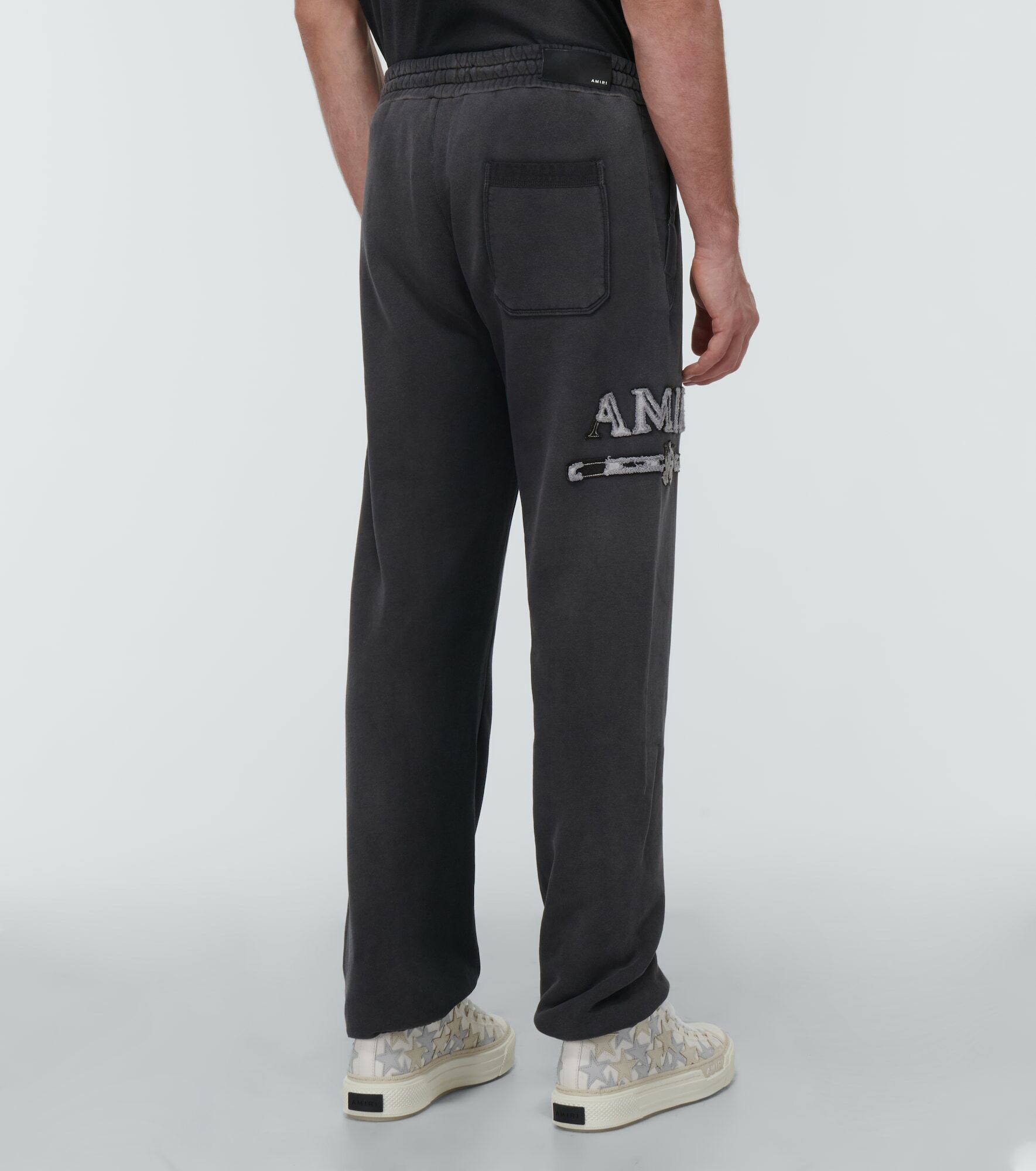
Signature status belongs to the MX1: skinny-fit, Italian stretch denim, hand-distressed, repaired with pleated ovine leather, observed at $1,090. At $750 the Stack is the sensible entry point into core amiri jeans, and its inseam is deliberately long, engineered to concertina at the ankle. The extra length is design, not defect, and it is no reason to size down. Where the MX1 is defined by its leather panel, the Thrasher is hand work without the panel, and the Shotgun runs blown-out, sanded-edge holes across straight-leg and skinny versions. The Carpenter, Washed Baggy and MA Fit silhouettes are the more generous answer to a skinny cut that does not suit you, observed between roughly $705 and $1,345 before markdowns. Bandana and Crystal are treatments applied across these models, not fits in their own right.

Shoes After Denim

House signature sneaker is the brand’s own wording on the Skel Top Low, a leather basketball silhouette finished with hand-cut bone appliqués in contrast topstitching. Observed at $650 on the official site and released at $590 in August 2020, it discredits any article still quoting the lower figure. Made in Vietnam, as the footwear line generally is, and that is not a sign that anything is wrong. The Skel Court is its own model, canvas and retro-court in shape, observed at $690, and the Stars Court drops the bones for star appliqués, refreshed for Pre-Spring 2026. Here the MA-1 means a sneaker, observed at $799, and not a bomber jacket, even though the designation belongs to military outerwear in other contexts. Boot buyers get the Ryder, priced from $1,090 in leather through $1,190 in suede to $1,290 python-embossed.

Then Jersey

Take the MA Core Logo Hoodie as the reference point: cotton, carrying the MA icon and core logo, described as a normal fit and observed at $650. Made in the USA, exactly as the MX1 and Stack jeans are, it is the case where the manufacturing story holds up plainly. An amiri hoodie is among the most counterfeited shapes in the line, so provenance matters more here than anywhere else. Tees run from roughly $425 for simpler graphics to about $930 for heavily worked pieces at authorised retail. The MA Core Logo Tee is not the MA Bar Logo Tee, though the two are forever mistaken for each other: Italy for the first, Los Angeles for the second. Varsity-patchwork zip hoodies have been observed above $1,300, jacket territory, so the plain one comes first.

Three Ways to Pay for It

Below, three routes reach the same wardrobe at very different costs, and every figure is an observed market price rather than any official price list. The first route pays full price for new stock through the brand’s own channel, buying certainty. The second waits for authorised sale periods, a realistic plan given that discounting here is systematic, not sporadic. Multi-brand stockists discount by roughly forty to seventy percent in season, and off-price arms cut again on top. Route three pairs one new anchor with secondhand pieces, cutting the total sharply while passing authentication risk across. None is better in the abstract; they trade money against certainty and patience, and the anchor order stays the same.

Route Anchor set Observed outlay Main trade-off
Full price through the official channel Stack jean, Skel Top Low, MA Core Logo Hoodie $750 and then $650 twice Highest cost, cleanest provenance, complete size runs
Authorised sale season Same three shapes, previous season Roughly 40 to 70 percent off list at multi-brand stockists Thin size runs and last season’s colours
One new plus secondhand Sneaker bought new, denim and jersey used MX1 asking prices seen around $400 to $840 against $1,090 retail Buyer takes the authentication risk

Fit Notes Before You Commit

Everything in this section is buyer-reported and retailer-guide material, because the brand does not publish complete garment measurements style by style. The core skinny jeans, meaning MX1, MX2, Thrasher and Stack, are cut deliberately close, and fit guides describe them as close to spray-on. True to the labelled size at the waist, the leg is where returns come from, and muscular thighs or calves commonly mean going up one or two sizes. Ready-to-wear is slightly trim, so one size up is the normal counsel, though not on pieces already named oversized, where sizing up compounds. The Skel Top Low is reported true to size, with the brand advising that a half size be rounded to the nearest whole size and official sizing running from 40 to 48 in European numbers. Stop that note at the Skel Top Low; for the other models no consistent reporting exists.

Buying Without Getting Burned

One official e-commerce channel, the brand’s own website, is the whole of it online, with roughly thirty-three owned boutiques offline, several marked as coming soon. About thirty-one is the standalone count in trade reporting, and the far larger numbers that circulate, including a claim of one hundred and ninety-five stores, confuse wholesale doors with owned shops. The authorised multi-brand stockists run to Saks Fifth Avenue, Neiman Marcus, Nordstrom, Bergdorf Goodman, Maxfield, Harrods, Selfridges, SSENSE, Mr Porter and Mytheresa. Farfetch is a nuanced case, absent from that official online list yet carrying deep stock through partner boutiques that are themselves stockists. Anyone typing buy amiri online should use the stockist page as the reference, noting it is not closely maintained and still names a retailer that closed in 2024. There is no outlet, online or physical, so any site presenting itself as one is not the brand, and discounted stock exists only through authorised sale sections and off-price arms.

Adding to the Rotation Slowly

With the three anchors in place, the additions worth making redraw an outfit instead of repeating it. A founding pillar is flannel, and a bleached quad-motif flannel has been observed at $1,290, which is outerwear money for sleeves that are not a hoodie. The natural fourth piece is denim outerwear, where repair work jackets and studded truckers have been observed between roughly $1,815 and $1,880 at list, and less on sale. The most emphatic and most seasonal option is the varsity jacket, observed above $2,300 at list. Hats, small leather goods, eyewear and bags all sit within the accessories side of the line, but belts are not a standalone category. The name amiri now covers everything from kids’ pieces to handbags, and the wardrobe that works is the narrow one: buy slowly, keep the invoices, and let the denim carry the outfit.

Elevated Tory Burch Style Tory Burch Collection

Tory Burch Tops: Ranking Blouses, Knits and Tees

One navigation label here covers three genuinely different products, so shopping the top half of the wardrobe is really a choice between them. Woven shirting, knitwear and jersey use different fibres, occupy different price bands, cover different seasons and demand different care. Treat them as one category and you find yourself paying knitwear money for something you wanted to launder like a tee, or buying a $150 tank when the layering problem needed a $495 sweater. This comparison sets the three side by side on price, fabric, logo intensity, care, layering and resale behaviour. Every figure below is an observed market price, read off the brand’s own United States site in September 2026 rather than taken from an official price list, and the company publishes none. Making the trade-offs legible before you commit is the whole aim here.

The three families you are actually choosing between

First comes woven shirting, meaning button-downs and blouses cut from cotton, linen and viscose. Knitwear is the second group and the most expensive, running from fine merino through wool and cashmere up to coated jacquard cardigans. Third is jersey: tanks, tees and the softer sleeveless shapes that hold the bottom of the range. All three operate inside a house language usually summarised as elevated American sportswear with a slightly off-kilter femininity, which is why they share prints and colour logic even when structurally they share nothing. Not one of them is a separate label or a diffusion https://torybirch.org/ line, since the runway collection and the main collection are the same brand rather than two tiers. Discussion of tory burch tops that imagines a designer version alongside a commercial version describes something this company does not operate.

Woven shirting: what you get and what it costs

Shirting is now a more prominent part of the collection rather than a quiet basics filler. Crisp button-downs were a reported theme of the Spring 2026 collection shown in September 2025, presented alongside piped blazers the founder publicly connected to her father. Across current woven pieces the observed fabrics run to cotton, linen and viscose, sometimes printed, sometimes plain and cut for tucking. Woven tops differ from the other two families in one practical respect: they hold a collar and a cuff, so they carry a jacket and read as dressed even over casual trousers. Against knitwear they are cooler in summer and far less forgiving of a poor fit through the shoulder, because no stretch absorbs the difference. Against jersey they cost more, crease more and photograph better, which fairly summarises the whole trade.

Merino, cashmere and jacquard: understanding the knitwear

The money and the design attention both concentrate in the knitwear. The observed 2026 figures covered a merino wool turtleneck at $420, a wool double collar V-neck sweater at $495 and a T Monogram jacquard cardigan at $550, roughly two to three times the jersey band. Because current product names run through merino wool, cashmere, plain wool and coated or jacquard constructions, the fibre content is generally legible from the name alone. Runway work lands on this family first, with hand-beaded bird embroideries reported on wool and cashmere cardigans for Spring 2026, said to derive from an antique tapestry chair belonging to the founder’s mother. That is why a cardigan here can cost more than a coat elsewhere in the market. Of the three, knitwear is the slowest to date, since a plain merino turtleneck belongs to no particular season.

Jersey, meaning tanks, tees and the cheapest way in

Jersey is the accessible end and the group most people buy first. Both a cotton scoop tank and a ribbed tank were observed at $150, while a racerback tank sat at $330, a wide spread for what appears superficially like one product type. The gap is mostly construction and yarn rather than branding, and the cheaper pieces behave like ordinary wardrobe basics. Jersey wins on washability, on packing volume and on disappearing neatly under a blazer or a cardigan. It forfeits structure, because a fine tank shows every seam of whatever is worn over it and holds no shape on its own. It also loses hardest second-hand, where plain jersey is the least liquid clothing this brand makes.

Observed 2026 prices, laid alongside each other

Set the observed figures next to each other and the imbalance between the three families becomes plain. Jersey fills a narrow band at the bottom, knitwear a wide band through the middle and upper middle, while woven shirting overlaps both depending on fibre and finish. The wider clothing range reached $995 for a double breasted wool coat, so the dearest sweater here is nowhere near the ceiling. Each number in the table comes from a single September 2026 pass on one market, and none of it is a published price list. Regional storefronts price differently, while a promotional period shifts the whole set at once. Use the table to decide which family your budget reaches, not to predict what you will be charged.

Top family Observed range Fibres most often seen Strongest at Poorest at
Jersey tanks and tees $150 to $330 Cotton plus ribbed cotton jersey Layering, packing, washing Resale, structure
Shirting, woven A mid band that overlaps both Cotton, linen, viscose Collars, summer and tailoring Creasing plus shoulder fit
Knitwear $420 to $550 Wool, merino, jacquard, cashmere Warmth, longevity, detail Pilling, care, cost

Logo intensity: Double T against T Monogram

Two different marks sit on this brand and they are not interchangeable, which is the most useful thing to grasp before buying. A serif T beside its mirror image inside a circle: that is the Double T, the 2004 emblem, used as cast hardware, a laser-cut opening or embossing. The T Monogram is separate and later, an all-over repeating pattern reported as introduced for Spring 2021 and used on coated canvas, jacquard, knitwear and small leather goods. On tops the distinction is highly visible, since a jacquard cardigan carrying the repeat is a statement garment and a plain merino turtleneck is not. The Double T is no monogram of the founder’s initials either, because those are not two Ts, and it was conceived as a graphic device rather than a signature. That makes logo intensity a genuine decision, one that affects resale just as much as styling.

Care, and the durability of each family

Care separates the three families more sharply than price does. In merino, wool or cashmere, knitwear is standard hand-wash-cold or dry-clean territory: dry it flat rather than hung, and store it folded rather than stretched over a hanger. On fine knits, de-pilling with a comb or fabric shaver is routine maintenance rather than evidence of a defect. Jersey is the forgiving family and takes ordinary laundering, though printed and ribbed pieces survive longer washed cold and dried away from heat. Woven cotton and linen sit in between, wanting a cool wash and either a press or a deliberate acceptance of creasing. Coated jacquard and T Monogram pieces are fussiest and want spot-cleaning with mild soap and a soft brush instead of a machine.

Second-hand behaviour, family by family

This section describes observed secondary-market behaviour and is not investment advice. Volatile, condition-dependent and platform-dependent is what resale prices are here, because this is accessible luxury and not a value-retaining hard-luxury asset. Bags and shoes clear most reliably for this label in practice, which leaves a top of any kind selling more slowly than a quilted crossbody or a sandal. Within the three families, knitwear with a visible pattern or a runway-linked detail attracts the most interest, plain knitwear less, and unbranded jersey least. Counterfeits across the brand erode buyer trust on unauthenticated platforms, and authenticated consignment consistently clears higher. A sweater is still not an asset, and none of the above should be your reason for buying one.

Where to put the first purchase

If you want the brand’s point of view in a single garment, buy knitwear, because that is where the design attention lands and where seasonal ideas surface first. Jersey gives the most wearing days per dollar, provided you accept that it is a basic and let the rest of the outfit carry the interest. If you dress for offices or anywhere a jacket appears, woven shirting is the piece that changes how the whole wardrobe reads. Settle your logo intensity before you shop rather than at the checkout, since deciding late is how people end up with something they never wear. Read the fibre in the product name, establish whether the mark is hardware or pattern, and weigh the care implication against your actual laundry habits. Do those three things and the category becomes legible, which is more than most shoppers get from a label that lumps tory burch tops into one list.

Shop EE Mesh Shorts Now Athleisure Staple

Black-and-Red Eric Emanuel Shorts: What Makes Them Stand Out

Since day one, black and red has stood as the colorway fueling the buzz around Eric Emanuel shorts, and in 2026 it’s still the combo buyers inquire about most. Striking yet understated, this duo performs well across streetwear, gym sessions, and casual weekend outfits. Eric Emanuel shorts black and red versions take major cues from basketball warm-up aesthetics, mesh panels, elastic waistbands, and a boxy fit that falls just above the knee. Anyone keeping up with modern sportswear can recognize that silhouette instantly — it’s become a stand-in for the ee shorts look. As fans of the ee brand, the black and red pairing reads as the truest expression of what Eric Emanuel aimed to build once he expanded past sneakers and jerseys into crafting shorts. It’s a color story anchored in team sports, but it translates cleanly into everyday wardrobes.

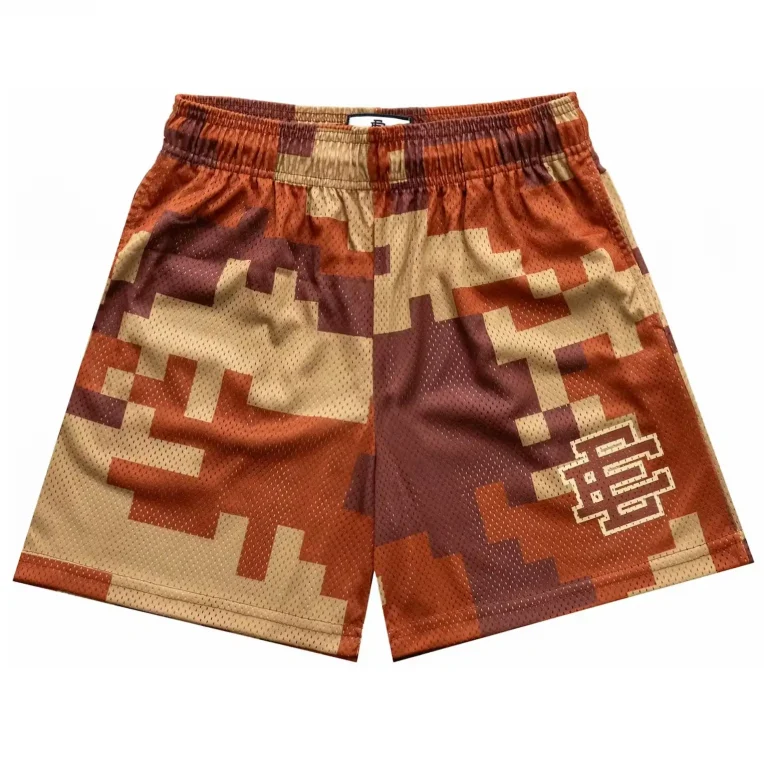
Part of the appeal comes from contrast. Black grounds the piece, red adds energy, and together they avoid the flatness that a single-color short can sometimes have. This is why black and red shows up so often across eric emanuel shorts collections alongside camo ee shorts, blue eric emanuel shorts, and the classic white ee skyline prints. Each colorway serves a different mood, but black and red tends to be the one people reach for when they want something that pairs with nearly anything in a rotation. A plain black tee, white sneakers, and a pair of black and red shorts is a combination ee basic hoodie that works in most casual settings without overthinking it.

The Roots Behind the Aesthetic

Eric Emanuel forged his early reputation crafting pieces for hoops culture, and that backstory reveals itself in every seam of his shorts collection. These elements — the mesh fabric, the drawstring waist, and the wide leg opening — all lead back to basketball shorts eric emanuel fans wore courtside before the brand evolved into a streetwear staple. Even now, the ee short silhouette preserves that performance-driven DNA, whether it’s dressed up with a hoodie or worn as part of a full ee sweatsuit. The black and red colorway taps into team-sport nostalgia, recalling classic uniform palettes without directly replicating any particular team.

So many buyers draw parallels between ee shorts men styles and team-branded pieces like eric emanuel yankees shorts or eric emanuel knicks releases, something which stems from that court-rooted heritage. The cut and material heft stay uniform throughout these releases, and this is why repeat buyers have confidence in the sizing once they’ve owned one pair. Erik Emmanuel, sometimes misspelled as erica emanuel or edward emanuel shorts in search results, has built a name recognized well beyond basketball courts. Black and red keeps on sell reliably each season, largely due to the label’s expansion into general streetwear.

Silhouette, Fabric, and Wearability

Comfort is regularly the initial reason buyers bring up when explaining their loyalty to ee mens shorts. The mesh fabric breathes well during workouts, and the relaxed fit doesn’t restrict movement the way tighter athletic shorts can. From a basketball run or lounging at home in an ee sweatsuit, they stay equally suited. While sizing tends to run true to standard men’s shorts sizing, junior cuts differ from adult ones, so shoppers moving between eric emanuel shorts men and eric emanuel youth shorts should consistently review the particular size chart for that release. Eric emanuel shorts kids and eric emanuel shorts youth lines follow a similar design language scaled down, so families can match looks without sacrificing comfort for younger wearers.

A customized fit is allowed by the drawstring waistband, handy given these shorts are cut with extra ease through the hip and thigh. That relaxed cut is intentional. It’s part of why the silhouette photographs so well and why it has stayed consistent even as colorways rotate through camo, blue, white, and black and white eric emanuel shorts options. Among men’s ee shorts buyers who keep buying season after season, the label’s reputation is built on comfort and consistency together.

Real or Replica: Authenticity Matters

Since demand is high, concerns around authenticity surface all the time. Those searching for eric emanuel shorts real or real ee shorts are usually hoping to steer clear of the flood of imitation products online. The safest path is buying through the eric emanuel official website or verified retail partners, since third-party marketplaces can carry inconsistent quality. Listings for eric emanuel shorts amazon exist, but shoppers should scrutinize seller details, return policies, and material descriptions closely before purchasing there, since marketplace listings vary widely in accuracy.

Joint releases bring extra complexity that’s worth grasping. Genuine eric emanuel bape shorts and bape ee shorts pieces came from a genuine collaboration between Eric Emanuel and Bape, so they feature co-branded details that solo ee shorts don’t have. Should a listing be labeled eric emanuel bape shorts but shows no Bape markings, that’s a signal to look closer. A similar principle holds for team-specific drops like eric emanuel yankees or eb shorts labeled with sports branding. Details matter: how the seams are finished, label positioning, and the cord-lock hardware are generally the most reliable route to separate genuine pieces from deceptive replicas.

Wearing Black and Red With Casual Pieces

Because the colorway is so adaptable, black and red ee shorts combine effortlessly with plain tees, hoodies, and even structured jackets for a elevated casual look. Footwear plays a role as well. White sneakers keep the outfit balanced, while red or black sneakers can pick up on the shorts’ palette for a more matched finish. Much of why designer shorts in this specific colorway disappear fast whenever they restock. Layering a black hoodie over the shorts creates a neutral foundation with red as the highlight, which is a combination plenty of streetwear fans repeat across seasons.

For shoppers assembling a rotation, mixing black and red with other colorways in the closet, like blue shorts or a white ee shorts new york city black piece, prevents looks from feeling stale. A lot of buyers approach their shorts collection similarly to how sneaker fans handle their collections, rotating colors based on mood or season. This approach has played a part in making the ee short into a legitimate streetwear category of its own rather than a short-lived trend product.

Popular Eric Emanuel Shorts Colorways Compared

Shade Ideal Match Occasion Fit
Red and Black Black tees paired with white or red kicks Everyday streetwear, casual outings
Camo Shorts by EE Solid neutral tops, boots or trainers Outdoor settings, weekend looks
Eric Emanuel Shorts in Blue Navy or grey layers with white tees Laid-back looks for warmer weather
White EE Shorts Graphic tees paired with contrast-color sneakers Minimal summer-ready outfits
Black and White Almost any top color Year-round versatility

Why Black and Red Selling So Well

Fads in the streetwear space shift rapidly, but black and red has maintained its position in the eric emanuel shorts lineup consistently since the brand’s original basketball-inspired collections. A portion of its durability comes from how seamlessly it slots into wardrobes people already have without requiring a entirely coordinated ensemble. Another part comes from nostalgia. Black and red uniforms have deep roots in sports history, and Eric Emanuel’s designs channel that history without outright replicating any single team’s branding, which helps the designs feel fresh rather than derivative.

Retail data across sneaker and streetwear forums consistently shows black and red restocks moving faster than several other colorways, often selling through within days when eric emanuel official website drops go live. That kind of demand keeps resale interest high too, which is exactly why so many buyers double-check authenticity before paying resale prices. Whether someone is shopping for eric emanuel shorts men, eric emanuel shorts kids, or building out a full ee sweatsuit, black and red remains the safest, most versatile entry point into the ee brand’s world. It’s bold enough to stand out, balanced enough to wear often, and rooted in a design history that continues to shape how basketball-inspired shorts look in 2026.

Prestige Zip Hoodie Owner Review Questions Answered

Prestige Clothing는 Guide to Sizing: Finding Your Ideal Size

For countless shoppers scrolling through a prestige store online, locating the correct fit often turns into guesswork — when in fact it ought not to. Size charts vary between brands, fabrics react differently after washing, and what suits one body type well may fit poorly on another. Here, we unpack how to approach sizing while browsing the prestige collection, which means you’ll waste less time sending things back and extra time actually using pieces that truly work for you. Whether you are considering a prestige hoodie for casual rotation, or you’re putting together a wardrobe from prestige clothing spanning multiple categories, knowing your measurements counts for more than simply trusting the label size. We’ll walk through hands-on steps, typical fit problems, and how to interpret sizing information the right way. By the end, the usual second-guessing should be gone when buying from prestige clothes.

What’s Behind the Confusion Around Sizing

There’s no universal standard for clothing sizes, so a medium from one brand won’t always match a medium in a different one. This is true across the bulk of fashion retail, not only one label, and it’s a key reason shoppers second-guess themselves before checkout. What the fabric is made from also matters — a cotton-blend hoodie behaves differently when stretched than a heavier fleece piece, even if both are labeled the same size. How a garment fits also depends on body shape; two people with the same height and weight can require different sizes depending on shoulder width, heavyweight hoodie torso length, or hip proportion. When people search “what is prestige” and land on the site, one of the first things they usually want clarity on is whether the sizing runs true, small, or large. That question matters because it has a direct impact on purchase confidence. Getting a handle on these variables before you buy lowers the odds of ordering the wrong fit and a frustrating return process.

Start With Your Own Measurements, Not Just Your Usual Size

Category What to Measure Common Mistake
Hoodies Shoulder width, chest, and arm length Going with your typical size instead of checking shoulder width
T-Shirts Chest and length preference Ignoring shrinkage after wash cycles
Outerwear Extra chest room to allow for layering Picking a fit too tight to layer underneath

Hands down the safest strategy to pick the right size is to take your own body measurements rather than going off what you remember about what size you typically wear. Use a soft measuring tape and record your chest or bust circumference, waist, hips, and, for tops, your arm length from shoulder to wrist. Write these numbers down before browsing so you won’t be measuring under pressure at checkout. Specifically for hoodies and outerwear, also measure your shoulder width as it naturally falls, since a boxy fit and a close-cut fit require different shoulder allowances. A common assumption is that size doesn’t change season to season, but minor changes in weight or how you layer (like layering a hoodie over a tee compared to wearing it solo) can shift what feels comfortable. After gathering your measurements, check them against the particular sizing chart for the item you’re considering instead of assuming your usual size carries over exactly.

How to Read a Size Chart the Right Way

A size chart generally displays bodily dimensions in inches or centimeters beside corresponding size labels like S, M, L, or numeric sizing. The mistake many shoppers make is going straight by their normal size label instead of matching their actual measurement to the chart’s numbers. If your chest measures 40 inches and the chart lists Large as 39–41 inches, Large is your match — irrespective of what you typically size as elsewhere. Pay attention also to whether the chart is measuring the garment itself or the body it’s designed to fit, since these can be off by an inch or two for built-in ease. For structured pieces, garment-based charts are particularly helpful, while body-based charts are more effective for stretch materials. If a product page lists both, rely on the garment figures for precise fit, and the body measurement to sanity-check your size choice.

Fit Styles: Breaking Down Slim, Regular, and Oversized

Fit-related language can be just as confusing as sizing numbers, especially when brands use qualitative language instead of strict measurements. A slim fit generally hugs the body more through the chest and arms, leaving less space to layer beneath it. A regular fit allows a bit more ease throughout, usually a couple of inches roomier than slim fits. Oversized fits, popular in recent hoodie and streetwear-inspired collections, are designed with significant extra room in the shoulders, sleeves, and body length — usually adding two to four extra inches compared to regular sizing. When shopping prestige clothing for this style specifically, it may help to size down if you prefer an oversized look without excessive length, since these cuts come with built-in extra room already. By contrast, if you’re ordering a slim-fit item and you’re torn between sizes, sizing up is usually safer than sizing down for comfort reasons.

Category-Specific Fit Notes

Item Category What to Measure Frequent Misstep
Hoodies Chest, shoulder width, arm length Choosing based on usual size instead of shoulder measurement
T-Shirts Chest and length preference Overlooking how much fabric shrinks after washing
Outerwear Chest plus room for layering Sizing too tight to allow underlayers

Various clothing categories need varying sizing considerations, and applying a one-size-fits-all approach often causes sizing errors. Sweatshirts and hoodies should be measured with attention to sleeve length and body length, since these garments are frequently worn with layers underneath when temperatures drop. In addition to waist size, bottoms need careful attention to inseam and rise, particularly if you are tall or petite relative to typical size references. Jackets and coats must always leave room for layering — what fits comfortably over a t-shirt may feel constricting layered atop a hoodie. Fitted tops depend heavily on torso length, so if you’re taller than average, checking the garment’s total length measurement prevents an uncomfortably short fit. Spending a few extra minutes on these category-specific checks meaningfully cuts down on returns.

Contrasting Fit Categories in Brief

The table beneath this outlines how the three common fit categories tend to differ in terms of room and advised fit guidance. Use it as a quick reference when deciding between fit types on a product page.

Fit Category Typical Ease Added Well Suited To Sizing Suggestion
Slim Cut 0–1 inch Layering minimally, tailored look Size up if between sizes
Standard Fit 1–2 inches Daily wear comfort with moderate layering Matches your measured size accurately
Loose Oversized Fit 2–4 inches Streetwear style, heavy layering Consider sizing down for shorter length

What Buyers Share in Prestige Review Feedback

Buyer feedback is one of the most useful tools for getting a sense of true-to-life fit, frequently more dependable than relying on a size chart by itself. Going through a prestige review ahead of purchase can show whether a given product comes up small, large, or accurate to size based on other buyers’ experiences. Seek out reviews where the buyer notes their height, weight, or usual size together with how the item worked for them — this context makes their feedback far more actionable than a generic comment. Repeated mentions of an item “running large” or “fitting snug in the shoulders” across multiple reviews is a strong signal worth taking seriously. Also worth noting: review dates matter, since 2026 season updates to fabric or cut may have shifted the fit somewhat relative to earlier stock. Pairing review insights with your own measurements offers the fullest picture before you commit to buying.

Prestige 2027 & Updates to Fit Each Season

As collections move forward in the run-up to the prestige 2027 planning stages, sizing specs on select items may be fine-tuned based on buyer responses and updated fabric sourcing. Such a thing is typical across the apparel industry—brands as a matter of course refine cuts incrementally from one season to the next to resolve common sizing feedback. In cases where you’ve shopped with the brand in the past and appreciated the fit, you should still re-verifying the size chart on newly launched items rather than assuming matching measurements. Fabric adjustments tied to the season, like a shift to denser fleece for the winter season, can also alter how a garment drapes even if the published measurements stay the same. Keeping close attention to listing copy and revision notes ensures you’re consistently working with up-to-date sizing information rather than stale assumptions from a previous year’s collection.

Making the Most of Best of Prestige Clothing Picks

When exploring best of prestige clothing picks, regardless of whether it’s a signature hoodie or a adaptable layering piece, use the same measure-before-you-buy approach rather than picking based on guesswork. Start with your own numbers, compare with the specific size chart for that item, and account for the fit type: slim, regular, or oversized—before completing your selection. If you’re shopping for gifts, opting for a regular fit in the recipient’s known size is typically the most reliable choice, since it avoids the extremes of slim or oversized cuts. When shopping for yourself, don’t hesitate to blend fits across categories; an oversized hoodie paired with regular-fit bottoms is a popular and easy combination. Spending these extra few minutes during the shopping process delivers returns notably in lowered returns and increased satisfaction with your final purchase.