All Hoodie Cuts Listed Shop The Edit

Investment Pieces: Which Rick Owens Items Hold Their Value

Few luxury purchases are real investments, though a select set of Rick Owens pieces genuinely deserves that label. In a market where countless designer items lose half their worth the moment you remove the tags, this brand behaves differently. Some garments and shoes maintain, and now and then surpass, their original retail price on the resale market. This buyer’s guide ranks the pieces most deserving of your money, backed by concrete figures and clear reasoning for each. Whether you are buying your first piece or growing a serious collection, this list will sharpen your choices. We will also point out which pieces lose value, since knowing what to skip is half the battle. Treat this as your practical, ranked roadmap for spending smart in 2026.

1. The Leather Biker Jacket

If you purchase just a single investment piece, the leather jacket belongs at the top of your list, no question. These jackets, frequently made from heavy lambskin or cowhide, sell for 2,800 to 4,500 USD at full retail. Their value retention is exceptional, with well-kept examples frequently reselling at 70 to 90 percent of retail years later. The asymmetric zip, the angled seams, and the distinctive draped collar make these instantly recognizable as Rick Owens fashion. Retired colorways and archival cuts can actually gain value, sometimes changing hands above their original price. Leather also ages beautifully, developing a patina that many buyers actively prefer over factory-fresh condition. For sheer durability and demand, nothing in the catalog beats it.

2. The Geobasket Sneaker

The Geobasket may well be the most iconic silhouette the brand has ever made, and the resale numbers back that up. Retailing around 1,100 to 1,400 USD, these high-top sneakers built a cult following that refuses to fade. On the secondary market, sought-after colorways routinely meet or exceed retail, especially in the core black and milk tones. The leather construction and the towering, sculptural profile give them a rick owens hoodie us com presence few sneakers can match. Because the design has remained relatively consistent, demand stays steady rather than spiking and crashing with trends. Limited collaboration editions have historically fetched sizable premiums over standard pairs. As a wearable asset that also grounds any outfit, the Geobasket is tough to beat.

Why Sneakers Hold Value Differently

It is worth pausing to explain why footwear behaves uniquely in the resale economy. Sneakers enjoy a huge, liquid global market in which buyers actively chase specific models and sizes. Unlike clothing, shoe sizing is standardized, and that makes online resale quicker and more dependable. Iconic silhouettes such as the Geobasket and the Ramones build reputations that outlast any one season. Scarcity matters as well, because the brand never saturates the market with these designs. A Rick Owens sale on sneakers is comparatively rare, which keeps secondary prices firm. This combination of liquidity, scarcity, and standardization makes the right pair a genuinely smart hold.

3. The Ramones High-Top

Positioned right beneath the Geobasket, the Ramones still counts as a strong investment. This slimmer high-top, named in tribute to the punk band, usually sells for 900 to 1,300 USD. Its lower-key profile makes it more versatile for daily wear, which broadens its buyer pool considerably. Resale values stay strong, typically falling in the 60 to 80 percent range for pairs kept in good shape. The minimalist design ages well and matches effortlessly with the brand’s draped, layered looks. Since it is a touch more wearable than the towering Geobasket, it enjoys steadier everyday demand. For buyers who want an icon they will actually wear often, the Ramones is the sweet spot.

4. Archival and Runway Pieces

For the serious collector, nothing rivals genuine archival and runway garments in long-term appreciation potential. These are the scarce, season-specific creations that never saw wide release and survive in tiny numbers. Prices vary wildly, but standout archival pieces have sold for multiples of their original cost at specialist resellers. Provenance counts for a great deal here, so paperwork and condition can move value by thousands of dollars. Cocoon coats, sculptural gowns, and experimental tailoring from celebrated seasons are the prizes collectors chase. This category demands knowledge and patience, but the upside is the strongest in the entire catalog. Think of it as the blue-chip tier of Rick Owens collecting.

Value Retention at a Glance

To make comparison easy, the table below summarizes the key investment categories with realistic figures. The retention percentages reflect typical secondhand performance for pieces kept in good condition. Use these numbers as a baseline rather than a guarantee, since condition and rarity move the needle significantly. Observe how leather and iconic footwear top the field while basics lag behind. This snapshot should help you allocate a budget toward the pieces that genuinely hold. Well-timed buying around any Rick Owens sale can lower your entry point and lift your effective returns.

Item Retail (USD) Typical Resale Retention Investment Grade
Leather biker jacket 2,800 – 4,500 70 – 90% A+
Geobasket sneaker 1,100 – 1,400 85 – 100%+ A
Ramones high-top 900 – 1,300 60 – 80% B+
Archival runway piece Varies 100 – 300%+ A+
DRKSHDW hoodie 350 – 590 40 – 60% C

The Honest Truth About the Hoodie

Let us be honest about the most popular entry piece, since expectations need adjusting. A Rick Owens hoodie from the DRKSHDW line is a fantastic garment, but it is not a strong financial investment. These pieces are made in greater quantities, which inevitably dampens their resale performance over time. Expect to recover roughly 40 to 60 percent of retail when reselling a used hoodie in good shape. Even so, the hoodie justifies itself through pure wearability and years of dependable use. Regard it as a lifestyle buy rather than an asset you intend to flip. Buy it because you will wear it constantly, not because it will appreciate.

Tips for Protecting Your Investment

Buying the right pieces is just half the battle; keeping their value demands genuine care. Always keep original packaging, dust bags, and any authenticity documentation, since these materially affect resale prices. Keep leather clear of direct sunlight and humidity to ward off cracking and fading over the years. Rotate your sneakers and insert shoe trees to preserve the sculptural shape buyers pay a premium for. Clean garments according to the label and avoid harsh detergents that degrade specialty fabrics. When it is time to sell, reputable platforms safeguard both value and authenticity, so favor them over informal channels. A bit of upkeep can decide whether you recover half your money or nearly all of it.

What to Avoid as an Investment

Understanding which pieces flop financially matters as much as knowing which ones reward you. Loudly branded seasonal items and trend-led graphics tend to age fast and shed value the quickest. Basic jersey tees, while comfortable and useful, are produced in volume and recover little on resale. Pieces in unusual or polarizing colorways outside the core palette often struggle to find second buyers. Anything purchased in poor condition rarely improves, so damaged bargains seldom turn into profit. Trend collaborations can spike and then crash if the hype evaporates, making timing risky. Stay with the timeless core categories, and you dodge most of these value traps.

Final Verdict for 2026 Buyers

So where is your money best spent in 2026 if value retention is the goal? Start with the leather jacket and the Geobasket, add a Ramones high-top for daily wear, and pursue archival pieces only once you have the expertise. Treat the hoodie as the joyful, wearable purchase it is rather than a calculated bet. For current pricing and authentication, shop directly through rickowens.eu or a vetted retailer like SSENSE. Watch the calendar for a Rick Owens sale to improve your entry point on staple pieces. Shop deliberately, look after what you own, and your Rick Owens fashion collection can retain its value remarkably well.

Sp5der Outlet Store Limited Edition Web Print Shop The Drop

What is the Sp5der VVS Sweatshirt?

The Sp5der VVS Hoodie is heavy-duty fleece hoodie embellished with crystal-style rhinestones that display brand graphics for a bright, “iced-out” look. VVS indicates diamond grading, signaling premium-shine, luxury‑oriented finish on a streetwear silhouette. Expect a boxy cut, dropped shoulders, textured cuffs and hem, plus a front kangaroo pocket.

The VVS application typically uses heat-set rhinestones positioned in tight, uniform patterns on printed or appliqué graphics. Because of the rhinestones, the garment feels heavier versus typical graphic hoodie and reflects light strongly under flash or direct sun. Color options change drops, but black, bubblegum pink, brown, and blue stay consistent. If you want the signature Sp5der style boasting maximum shine, this is the one collectors pursue.

How much does the Sp5der VVS Pullover price at?

Retail pricing typically lands between $250-$400 USD depending on specific drop, colorway, and embellishment density. On the secondary resale market, typical sizes and colors usually trade between 350 and 900 dollars, while rarer combinations sometimes exceeding that when brand new with tags.

What drives fluctuation? Seasonal drops, interest in bigger sizes, and quality (fresh vs. worn) move the needle. Early VVS colorways with mint black/pink pairs tend to command premiums, while heavily used pieces or scuffed stones sit lower. Track live pricing through different channels before committing; rapid research often reveals 10-20% price gaps can sp5der arbitrage through patience.

What size should you buy with the Sp5der VVS Hoodie?

The VVS garment runs boxy and slightly oversized; most buyers stick to true size for relaxed, flowing fit, size down for cleaner profile, and size up for a full streetwear baggy look. When you’re between sizes and like standard fit, sizing down remains the safer move.

Users frequently mention chest (pit‑to‑pit) specs around 21 inches for Small, 22-23 inches for Medium, 24 inches for Large, 25 inches for XL, and 26 inches in 2XL, with length growing proportionally. Fleece weight and crystal work create the hoodie structure, so it doesn’t cling like lightweight fleece. If you layer over tees and beneath jacket, true to size stays versatile. For wider shoulders or a long torso, prioritize chest width and torso length over the marking on the tag and confirm dimensions when buying resale.

Sp5der VVS Hoodie legit check: 12 concrete tests

Genuine VVS pieces have crisp branding, heavy fleece, and tightly set rhinestones; fakes cut corners on branding, crystals, and construction. Employ various checks together, not just one, and compare with a trusted reference listing.

Neck tag and hangtag: Fonts must be crisp, evenly spaced, and centered; fuzzy ink, off‑white tags, or offset registration are red flags. Care label: Material makeup, washing icons, and punctuation must be clean with consistent line spacing; erratic capitalization or lacking fabric details suggests a counterfeit. Rhinestones: You should feel separate, individual stones with a small edge; replica pieces often utilize sparkle vinyl or flat applications feeling smooth. Stone pattern: Lines stay straight and spacing stays consistent across the artwork; tilted lines, gaps, or irregular spacing suggest poor application. Glue and residue: Authentic stones position cleanly with minimal glue halos; visible blobs, cloudiness, or streaking around stones is common in fakes. Graphics beneath stones: When print layer exists, edges stay sharp with no bleeding into fleece; overspray or worn graphics stay suspect. Stitching: Inside overlock stitching should be tight and uniform with clean thread tips; loose tails, skipped stitches, or uneven seams are issues. Ribbing and cuffs: Thick, resilient rib knit that rebounds after stretching; thin, soft ribs that bag out quickly are common in cheaper blanks. Pocket form: The front pocket is balanced with clean bar tacks; irregular pocket edges or twisted seams indicate poor QC. Drawcords and ends: Strings feel dense, and tips are finished cleanly (no sharp flashing or sloppy adhesive). Feel and weight: Authentic pieces have a dense hand and fleece interior; overly light fleece or scratchy interior loops signal issues. Packaging and materials: Receipts plus order confirmations should match the seller’s story; templated receipts with generic store names or mismatched dates are unreliable.

Where can you buy the Sp5der VVS Hoodie safely?

Choose official brand channels when available, or to reputable marketplaces offering buyer protection and verification processes. Skip DMs, cash apps, or sites with unrealistic prices or “mirror/AAA” language.

Official drops and pop‑ups sell out quickly, but they remain the safest route to retail pairs. On the secondary market, choose platforms that provide verification or strong dispute processes. For peer-to-peer buying, insist on dated photos, interior labels, macro photos of the stone pattern, and precise garment measurements. Pay using protected methods like PayPal G&S and avoid shipping to different addresses. If the seller can’t produce a receipt, ask for purchase records screenshots and cross‑check product codes, tags, and packaging against known-good references.

Care, materials, and wearability

Look for substantial cotton fleece base with heat-set rhinestones; treat it like decorated streetwear, not gym kit. The safest routine includes cold delicate wash, inside‑out, in mesh bag, then hang-dry flat.

Heat stays the enemy of adhesive‑backed stones, so skip high‑temp drying and direct ironing over artwork. Should you must press, put a fabric barrier over the section and use low heat, no steam. A lint roller works better than brush on rhinestone work, and folding with stones face‑to‑face prevents abrasion. The hoodie holds shape well and layers cleanly over tees and long sleeves, though the added weight runs warm; in mild climates, it functions as outerwear. Proper care maintains sparkle and adhesion, substantially reducing loose stones over time.

Cost and availability snapshots by shade

The chart summarizes typical market ranges seen across major resale platforms in 2024–2025. Ranges fluctuate based on condition, size, and local demand, so verify current listings before you buy.

Colorway MSRP (USD) Typical Resale Range (USD) Availability Notes
Black $280-400 450–900 Heavy demand Most versatile; premiums for larger sizing (XL+)
Hot Pink $280-400 400–800 Moderate Periodic spikes around restocks or celebrity styling
Earth/Brown tones $250-380 380 to 750 Moderate Trendy in FW; prices soften in SS season
Blue tones 250 to 380 $350-700 Variable Cheaper floor but can jump if supply is thin

Pro tip for buyers

“Ask the seller for a daylight close-up photo of a 2×2 inch area of the stones plus a close‑up of the neck and care labels, then align them up side‑by‑side with a verified authentic listing. You need even stone spacing, clean glue halos, and matching label fonts; one mismatch doesn’t confirm fake, but two or more warrants to walk.”

This single request filters most replicas in minutes. Add a request for exact pit‑to‑pit and length dimensions, and you reduce return risk from bad fit simultaneously. time.

Fast facts you probably didn’t know about the VVS hoodie

VVS represents a diamond clarity grade (“Very Very Slightly Included”) that signals a high-shine intent in the design language. The stones are typically hotfix stones featuring thermal adhesive backing; you can detect individual edges and occasionally see faint adhesive halos on the fleece around every stone. Flash photography exaggerates glitter, so photos shot with flash often look brighter than in natural light. Because many releases maintain graphic dimensions consistent across sizes, the print can look bigger on small sizes and more proportional on bigger sizing. Storing folded with stones shielded or hanging on wide-shoulder hangers reduces stress points that can loosen stones over time.

Summary and purchase verdict

Buy the Sp5der VVS Hoodie if you desire a heavyweight, boxy streetwear hoodie with standout sparkle and you’re willing to handle decorated garments. Expect retail in the 250–400 USD band and secondary market pricing that moves with color, size, and quality.

Go true to size for loose drape, down one for neater lines, up one for baggy streetwear aesthetic. For authenticity, use combined checks—labels, stone grade, stitching, pocket symmetry, and clean glue—rather than any single tell. Shop official drops first, then use protected marketplaces and careful verification when buying resale. Should the price looks too good and the seller can’t meet photo and measurement requests, keep looking; another clean pair will appear.

HMDD Hoodie Care Tips Collector Insights

What HMDD Collaborations Mean for the Brand’s Identity

HMDD, short for Happy Memories Don’t Die, has built its name on a philosophy rather than a logo. The brand treats clothing as a vessel for nostalgia, and every collaboration it enters becomes a test of whether that idea can survive contact with another creative voice. When two brands merge visions, one of them usually bends. With HMDD, the bending tends to happen carefully, because the phrase “happy memories don’t die” is not just a tagline — it is the entire reason customers return. Collaborations force the label to answer a harder question than “what does this look like?” It has to answer “does this still feel like us?” That tension is exactly why HMDD’s partnerships matter more than a typical streetwear crossover.

Siphoning off outside buzz is often the point behind most fashion collabs get made. After a smaller label teams up with a more prominent name, there’s a jump in traffic — and then it moves on. In reality, HMDD’s approach comes across as different. Rather than going after the most attention-grabbing option, the brand usually choose collaborators who resonate with an emotional register that’s wistful, memory-driven, and quietly rebellious. Thanks to this careful curation, the brand identity holds together across drops — and it’s worth unpacking one element at a time.

Brand Team-Ups functioning as an Pressure Test on Brand-Identity: The Reason It Matters

A label’s identity stays most secure when it functions solo. Fabric choices, graphic placement, and fit decisions all remain within one team’s control. Trade-offs begin to accumulate as soon as a new creative partner enters. HMDD clothing has built recognition around specific signals: distressed graphics, oversized silhouettes, and text treatments that reference memory, loss, and time. Those defining markers could readily be flattened into something more generic by a collaborator with a sharper, more commercial aesthetic.

Right here is where restraint emerges as a calculated strength. Voices across the HMDDLA community have noted that joint-project items hold onto its signature aesthetic hmmdla.com/hoodies fingerprint: identical material heft, a matching distressed-print process, and the same emotionally charged titling found on tags and inserts. Such consistency doesn’t happen by chance. This implies an unspoken guideline: collaborators may shape palette or cut, but the emotional throughline is left intact.

Consider the alternative. If HMDD released a collab hoodie with bright, glossy branding and zero reference to its usual themes, longtime buyers would notice within seconds. The brand’s audience isn’t drawn in by trend-chasing; they’re drawn in by specificity. A single misstep — one collection that feels like merchandise rather than memory — could cost more trust than any short-term sales bump would repay.

What Exactly Collaborations Disclose About HMDD’s Own Stylistic Identity

Every partnership acts like a spotlight on creative patterns that might otherwise go unremarked. Any time HMDD partners with someone outside the brand, a few recurring traits recur across nearly every release: dense cotton fabrics (commonly in the 280–400 GSM range for hoodies and sweatshirts), loose-fitting boxy cuts, and manually worn-in or re-dyed finishes that give each piece a lived-in quality instead of a off-the-rack one. HMDD sweatpants in particular showcase this pattern — an easy, tapered fit, cuffed rib trim, and a fabric hand-feel that prioritizes ease over crisp shaping.

The same reasoning carries over to HMDD shorts. Rather than treating shorts as a filler category, HMDD applies the same worn-finish methods and type treatments seen across top-layer garments, so that a whole collection feeling cohesive instead of disjointed. Such uniformity spanning hoodies, sweatpants, shorts, and tees — hoodies, sweatpants, shorts, tees — is part of what makes people search specifically for “best hmdd clothing” rather than defaulting to a off-the-shelf streetwear alternative.

  • Fabric weight stays dense and weighty, even in warm-weather pieces like shorts.
  • Typography draws from script-style or worn-stencil styles instead of crisp sans-serif branding.
  • Tonal choices gravitate to muted blacks, washed greys, and subdued natural tones over saturated brights.
  • Graphics nod to nostalgia, transience, and the passage of time instead of pure logo placement.

As soon as a collaborator joins this ecosystem, the expectation is that they fall in line with HMDD’s aesthetic rather than impose their own. It’s a bigger demand than it seems, and that’s the reason not every proposed partnership ends up released.

The Strategic Reasoning Behind Choosing Partners Carefully

The economics of streetwear favor limited supply while penalizing overexposure. A brand that collaborates with everyone ends up standing out with none of them. HMDD’s drop schedule seems to prioritize scarce production numbers and sparsely spaced partnership releases rather than continuous co-branded output. Such timing accomplishes two goals simultaneously: it safeguards the brand’s sense of rarity, and it gives the design team enough runway to make sure each collaboration still reads as unmistakably HMDD.

A pricing rationale also deserves mention. Collaboration pieces in streetwear typically carry a premium over standard catalog items — often 15–30% higher — owing to increased production difficulty, restricted quantities, or dual-brand costs. Buyers checking an “hmdd review” beforehand often point to the price-versus-quality balance as the key factor, so any collaboration that raises price without raising perceived craftsmanship risks backlash rather than praise.

Because of this the most astute fashion partnerships operate more as shared research-and-development efforts than promotional gimmicks. Two teams pool techniques — maybe one contributes a dye process, the other contributes a silhouette — and the outcome ought to seem deserved instead of hastily assembled. If that equilibrium succeeds, both audiences convert into fans of the other brand. Should it fall short, each audience senses it was treated as secondary.

A Look at Contrasting Partnership Methods

In order to see where HMDD sits against standard streetwear collaboration strategies, it helps to look at a few widely-used methods applied across the industry in 2026. What follows below outlines three general collaboration models seen in the wider streetwear scene, not tied to specific named partners.

Type of Collaboration Core Aim Usual Drop Scale Risk to Brand Identity
Repeated co-branding Maximize exposure and attention Substantial, ongoing batches High — identity dilutes with overexposure
Single hype drop Quick sales jump Extremely scarce, single run Moderate — effect wanes once hype passes
Selective, values-aligned partnership (HMDD’s characteristic pattern) Reinforce core identity while reaching adjacent audiences Restrained, occasional Minimal — partner adapts to brand language rather than overriding it

HMDD’s collaborations generally fall into that third bucket. HMDD doesn’t seem eager to pack its release schedule with co-branded merchandise. Rather, each partnership looks crafted to answer a distinct creative question — a new fabric process, an unexplored color story, a different take on distressing — while leaving the emotional core of “happy memories don’t die” completely preserved.

What Shoppers Should Take Away in 2026

For those weighing HMDD against other up-and-coming streetwear names in 2026, collaborations offer a handy litmus test. If a co-branded item still feels distinctly HMDD — same fabric weight, same worn typography, same emotional resonance — that signals the brand’s identity is stable enough to survive growth. If future drops start feeling interchangeable with whichever partner is attached, that amounts to a warning sign worth keeping an eye on.

Anyone looking into HMDD sweatpants, HMDD shorts, or a collaboration release should pay attention to a few concrete details before buying: fabric weight listed in the product description, whether sizing runs true-to-size or intentionally oversized, and whether the piece is part of a serialized or limited run. These details carry more weight in collaboration releases than in standard catalog drops, since collaboration pricing tends to run higher and expectations climb accordingly.

Ultimately, HMDD’s collaborations act as identity checkpoints rather than purely marketing events. Every partnership tests whether HMDD can expand its audience without sacrificing the distinct, nostalgia-driven feel that earned it a following in the first place. So far, the pattern suggests a brand more interested in protecting its voice than chasing every available spotlight — and for a label built wholly around emotional resonance, that discipline may be its most valuable asset heading further into 2026.

Mike Amiri Runway Sneaker Amiri Brand Review

AMIRI Menswear: How to Plan a Wardrobe Around the Brand

AMIRI is a Los Angeles house grounded on hand-finished, deconstructed and visibly repaired denim, and that obvious fact should govern the order in which you buy it. The label is expensive enough that assembling a wardrobe piece by piece, with a plan, comfortably beats unplanned buying. Rather than a catalogue of everything made, this guide frames amiri clothing as a limited set of anchor pieces. The numbers below are observed market prices taken from 2026 retail listings, not an official price list. The aim is a rotation that reads as deliberate at three very different spending levels, and it assumes a handful of pieces rather than a full closet.

What the Purchase Gets

By the house’s own account the start is 2014, when Mike Amiri began the label in his hometown of Los Angeles; the CFDA agrees with that year. Against that sits the earliest contemporaneous document, a December 2014 press release dating the founding to 2013 in partnership with the Los Angeles concept store Maxfield, so the year remains genuinely contested. The first release was an exclusive capsule at Maxfield, and that alone explains why early pieces are so scarce. Amiri began hand-crafting stage pieces for what the brand and the CFDA describe only as legendary Los Angeles performers; retail editorial has named specific rock clients, the house has not. He still holds the majority; the minority stake is held by the Italian group OTB, chaired by Diesel founder Renzo Rosso, and it was acquired in 2019 on undisclosed terms. It showed at amiri t shirt Paris Fashion Week from 2018 and presents there twice a year, yet remains an American house, menswear-first, with womenswear arriving in 2021.

The Anchor Set

A workable version of amiri men’s dressing comes down to three anchors, one pair of jeans, one pair of shoes and one piece of jersey. The three carry distinct shares of the brand’s identity, and a bad choice hurts differently in each. Denim is where the labour is easiest to read, and it is where the money goes. The bones motif runs across every category, and footwear is where it reads at a distance. Jersey is where the logo does the work, which makes it the easiest category to over-buy. Buying one of each, in that order, leaves you something wearable long before you have spent an outfit’s worth.

Denim at the Front

Signature status belongs to the MX1: skinny-fit, Italian stretch denim, hand-distressed, repaired with pleated ovine leather, observed at $1,090. At $750 the Stack is the sensible entry point into core amiri jeans, and its inseam is deliberately long, engineered to concertina at the ankle. The extra length is design, not defect, and it is no reason to size down. Where the MX1 is defined by its leather panel, the Thrasher is hand work without the panel, and the Shotgun runs blown-out, sanded-edge holes across straight-leg and skinny versions. The Carpenter, Washed Baggy and MA Fit silhouettes are the more generous answer to a skinny cut that does not suit you, observed between roughly $705 and $1,345 before markdowns. Bandana and Crystal are treatments applied across these models, not fits in their own right.

Shoes After Denim

House signature sneaker is the brand’s own wording on the Skel Top Low, a leather basketball silhouette finished with hand-cut bone appliqués in contrast topstitching. Observed at $650 on the official site and released at $590 in August 2020, it discredits any article still quoting the lower figure. Made in Vietnam, as the footwear line generally is, and that is not a sign that anything is wrong. The Skel Court is its own model, canvas and retro-court in shape, observed at $690, and the Stars Court drops the bones for star appliqués, refreshed for Pre-Spring 2026. Here the MA-1 means a sneaker, observed at $799, and not a bomber jacket, even though the designation belongs to military outerwear in other contexts. Boot buyers get the Ryder, priced from $1,090 in leather through $1,190 in suede to $1,290 python-embossed.

Then Jersey

Take the MA Core Logo Hoodie as the reference point: cotton, carrying the MA icon and core logo, described as a normal fit and observed at $650. Made in the USA, exactly as the MX1 and Stack jeans are, it is the case where the manufacturing story holds up plainly. An amiri hoodie is among the most counterfeited shapes in the line, so provenance matters more here than anywhere else. Tees run from roughly $425 for simpler graphics to about $930 for heavily worked pieces at authorised retail. The MA Core Logo Tee is not the MA Bar Logo Tee, though the two are forever mistaken for each other: Italy for the first, Los Angeles for the second. Varsity-patchwork zip hoodies have been observed above $1,300, jacket territory, so the plain one comes first.

Three Ways to Pay for It

Below, three routes reach the same wardrobe at very different costs, and every figure is an observed market price rather than any official price list. The first route pays full price for new stock through the brand’s own channel, buying certainty. The second waits for authorised sale periods, a realistic plan given that discounting here is systematic, not sporadic. Multi-brand stockists discount by roughly forty to seventy percent in season, and off-price arms cut again on top. Route three pairs one new anchor with secondhand pieces, cutting the total sharply while passing authentication risk across. None is better in the abstract; they trade money against certainty and patience, and the anchor order stays the same.

Route Anchor set Observed outlay Main trade-off
Full price through the official channel Stack jean, Skel Top Low, MA Core Logo Hoodie $750 and then $650 twice Highest cost, cleanest provenance, complete size runs
Authorised sale season Same three shapes, previous season Roughly 40 to 70 percent off list at multi-brand stockists Thin size runs and last season’s colours
One new plus secondhand Sneaker bought new, denim and jersey used MX1 asking prices seen around $400 to $840 against $1,090 retail Buyer takes the authentication risk

Fit Notes Before You Commit

Everything in this section is buyer-reported and retailer-guide material, because the brand does not publish complete garment measurements style by style. The core skinny jeans, meaning MX1, MX2, Thrasher and Stack, are cut deliberately close, and fit guides describe them as close to spray-on. True to the labelled size at the waist, the leg is where returns come from, and muscular thighs or calves commonly mean going up one or two sizes. Ready-to-wear is slightly trim, so one size up is the normal counsel, though not on pieces already named oversized, where sizing up compounds. The Skel Top Low is reported true to size, with the brand advising that a half size be rounded to the nearest whole size and official sizing running from 40 to 48 in European numbers. Stop that note at the Skel Top Low; for the other models no consistent reporting exists.

Buying Without Getting Burned

One official e-commerce channel, the brand’s own website, is the whole of it online, with roughly thirty-three owned boutiques offline, several marked as coming soon. About thirty-one is the standalone count in trade reporting, and the far larger numbers that circulate, including a claim of one hundred and ninety-five stores, confuse wholesale doors with owned shops. The authorised multi-brand stockists run to Saks Fifth Avenue, Neiman Marcus, Nordstrom, Bergdorf Goodman, Maxfield, Harrods, Selfridges, SSENSE, Mr Porter and Mytheresa. Farfetch is a nuanced case, absent from that official online list yet carrying deep stock through partner boutiques that are themselves stockists. Anyone typing buy amiri online should use the stockist page as the reference, noting it is not closely maintained and still names a retailer that closed in 2024. There is no outlet, online or physical, so any site presenting itself as one is not the brand, and discounted stock exists only through authorised sale sections and off-price arms.

Adding to the Rotation Slowly

With the three anchors in place, the additions worth making redraw an outfit instead of repeating it. A founding pillar is flannel, and a bleached quad-motif flannel has been observed at $1,290, which is outerwear money for sleeves that are not a hoodie. The natural fourth piece is denim outerwear, where repair work jackets and studded truckers have been observed between roughly $1,815 and $1,880 at list, and less on sale. The most emphatic and most seasonal option is the varsity jacket, observed above $2,300 at list. Hats, small leather goods, eyewear and bags all sit within the accessories side of the line, but belts are not a standalone category. The name amiri now covers everything from kids’ pieces to handbags, and the wardrobe that works is the narrow one: buy slowly, keep the invoices, and let the denim carry the outfit.

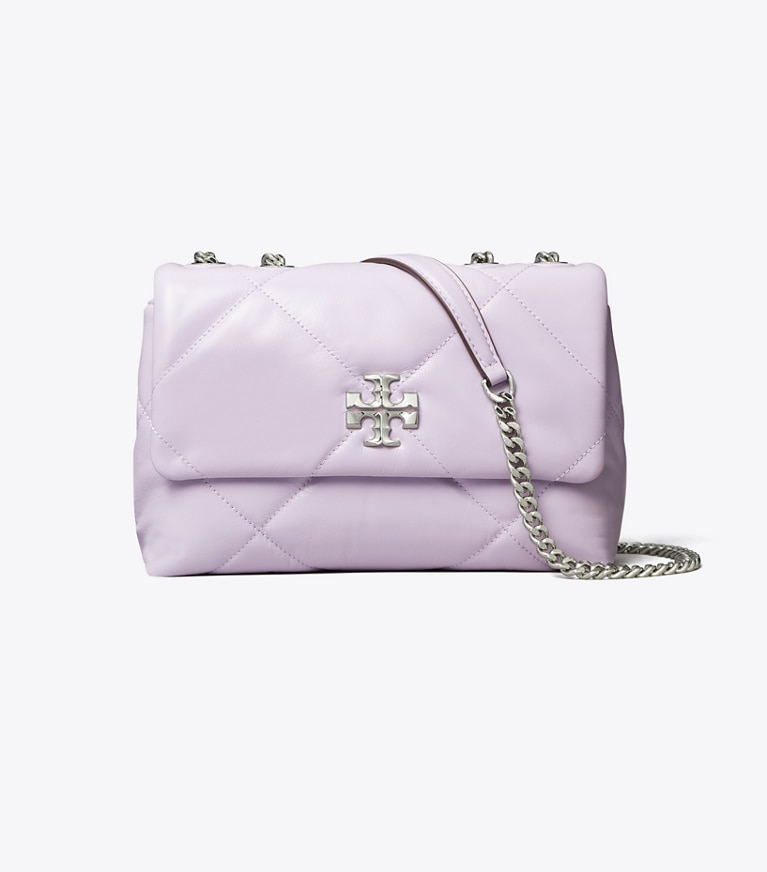
Elevated Tory Burch Style Tory Burch Collection

Tory Burch Tops: Ranking Blouses, Knits and Tees

One navigation label here covers three genuinely different products, so shopping the top half of the wardrobe is really a choice between them. Woven shirting, knitwear and jersey use different fibres, occupy different price bands, cover different seasons and demand different care. Treat them as one category and you find yourself paying knitwear money for something you wanted to launder like a tee, or buying a $150 tank when the layering problem needed a $495 sweater. This comparison sets the three side by side on price, fabric, logo intensity, care, layering and resale behaviour. Every figure below is an observed market price, read off the brand’s own United States site in September 2026 rather than taken from an official price list, and the company publishes none. Making the trade-offs legible before you commit is the whole aim here.

The three families you are actually choosing between

First comes woven shirting, meaning button-downs and blouses cut from cotton, linen and viscose. Knitwear is the second group and the most expensive, running from fine merino through wool and cashmere up to coated jacquard cardigans. Third is jersey: tanks, tees and the softer sleeveless shapes that hold the bottom of the range. All three operate inside a house language usually summarised as elevated American sportswear with a slightly off-kilter femininity, which is why they share prints and colour logic even when structurally they share nothing. Not one of them is a separate label or a diffusion https://torybirch.org/ line, since the runway collection and the main collection are the same brand rather than two tiers. Discussion of tory burch tops that imagines a designer version alongside a commercial version describes something this company does not operate.

Woven shirting: what you get and what it costs

Shirting is now a more prominent part of the collection rather than a quiet basics filler. Crisp button-downs were a reported theme of the Spring 2026 collection shown in September 2025, presented alongside piped blazers the founder publicly connected to her father. Across current woven pieces the observed fabrics run to cotton, linen and viscose, sometimes printed, sometimes plain and cut for tucking. Woven tops differ from the other two families in one practical respect: they hold a collar and a cuff, so they carry a jacket and read as dressed even over casual trousers. Against knitwear they are cooler in summer and far less forgiving of a poor fit through the shoulder, because no stretch absorbs the difference. Against jersey they cost more, crease more and photograph better, which fairly summarises the whole trade.

Merino, cashmere and jacquard: understanding the knitwear

The money and the design attention both concentrate in the knitwear. The observed 2026 figures covered a merino wool turtleneck at $420, a wool double collar V-neck sweater at $495 and a T Monogram jacquard cardigan at $550, roughly two to three times the jersey band. Because current product names run through merino wool, cashmere, plain wool and coated or jacquard constructions, the fibre content is generally legible from the name alone. Runway work lands on this family first, with hand-beaded bird embroideries reported on wool and cashmere cardigans for Spring 2026, said to derive from an antique tapestry chair belonging to the founder’s mother. That is why a cardigan here can cost more than a coat elsewhere in the market. Of the three, knitwear is the slowest to date, since a plain merino turtleneck belongs to no particular season.

Jersey, meaning tanks, tees and the cheapest way in

Jersey is the accessible end and the group most people buy first. Both a cotton scoop tank and a ribbed tank were observed at $150, while a racerback tank sat at $330, a wide spread for what appears superficially like one product type. The gap is mostly construction and yarn rather than branding, and the cheaper pieces behave like ordinary wardrobe basics. Jersey wins on washability, on packing volume and on disappearing neatly under a blazer or a cardigan. It forfeits structure, because a fine tank shows every seam of whatever is worn over it and holds no shape on its own. It also loses hardest second-hand, where plain jersey is the least liquid clothing this brand makes.

Observed 2026 prices, laid alongside each other

Set the observed figures next to each other and the imbalance between the three families becomes plain. Jersey fills a narrow band at the bottom, knitwear a wide band through the middle and upper middle, while woven shirting overlaps both depending on fibre and finish. The wider clothing range reached $995 for a double breasted wool coat, so the dearest sweater here is nowhere near the ceiling. Each number in the table comes from a single September 2026 pass on one market, and none of it is a published price list. Regional storefronts price differently, while a promotional period shifts the whole set at once. Use the table to decide which family your budget reaches, not to predict what you will be charged.

Top family Observed range Fibres most often seen Strongest at Poorest at
Jersey tanks and tees $150 to $330 Cotton plus ribbed cotton jersey Layering, packing, washing Resale, structure
Shirting, woven A mid band that overlaps both Cotton, linen, viscose Collars, summer and tailoring Creasing plus shoulder fit
Knitwear $420 to $550 Wool, merino, jacquard, cashmere Warmth, longevity, detail Pilling, care, cost

Logo intensity: Double T against T Monogram

Two different marks sit on this brand and they are not interchangeable, which is the most useful thing to grasp before buying. A serif T beside its mirror image inside a circle: that is the Double T, the 2004 emblem, used as cast hardware, a laser-cut opening or embossing. The T Monogram is separate and later, an all-over repeating pattern reported as introduced for Spring 2021 and used on coated canvas, jacquard, knitwear and small leather goods. On tops the distinction is highly visible, since a jacquard cardigan carrying the repeat is a statement garment and a plain merino turtleneck is not. The Double T is no monogram of the founder’s initials either, because those are not two Ts, and it was conceived as a graphic device rather than a signature. That makes logo intensity a genuine decision, one that affects resale just as much as styling.

Care, and the durability of each family

Care separates the three families more sharply than price does. In merino, wool or cashmere, knitwear is standard hand-wash-cold or dry-clean territory: dry it flat rather than hung, and store it folded rather than stretched over a hanger. On fine knits, de-pilling with a comb or fabric shaver is routine maintenance rather than evidence of a defect. Jersey is the forgiving family and takes ordinary laundering, though printed and ribbed pieces survive longer washed cold and dried away from heat. Woven cotton and linen sit in between, wanting a cool wash and either a press or a deliberate acceptance of creasing. Coated jacquard and T Monogram pieces are fussiest and want spot-cleaning with mild soap and a soft brush instead of a machine.

Second-hand behaviour, family by family

This section describes observed secondary-market behaviour and is not investment advice. Volatile, condition-dependent and platform-dependent is what resale prices are here, because this is accessible luxury and not a value-retaining hard-luxury asset. Bags and shoes clear most reliably for this label in practice, which leaves a top of any kind selling more slowly than a quilted crossbody or a sandal. Within the three families, knitwear with a visible pattern or a runway-linked detail attracts the most interest, plain knitwear less, and unbranded jersey least. Counterfeits across the brand erode buyer trust on unauthenticated platforms, and authenticated consignment consistently clears higher. A sweater is still not an asset, and none of the above should be your reason for buying one.

Where to put the first purchase

If you want the brand’s point of view in a single garment, buy knitwear, because that is where the design attention lands and where seasonal ideas surface first. Jersey gives the most wearing days per dollar, provided you accept that it is a basic and let the rest of the outfit carry the interest. If you dress for offices or anywhere a jacket appears, woven shirting is the piece that changes how the whole wardrobe reads. Settle your logo intensity before you shop rather than at the checkout, since deciding late is how people end up with something they never wear. Read the fibre in the product name, establish whether the mark is hardware or pattern, and weigh the care implication against your actual laundry habits. Do those three things and the category becomes legible, which is more than most shoppers get from a label that lumps tory burch tops into one list.

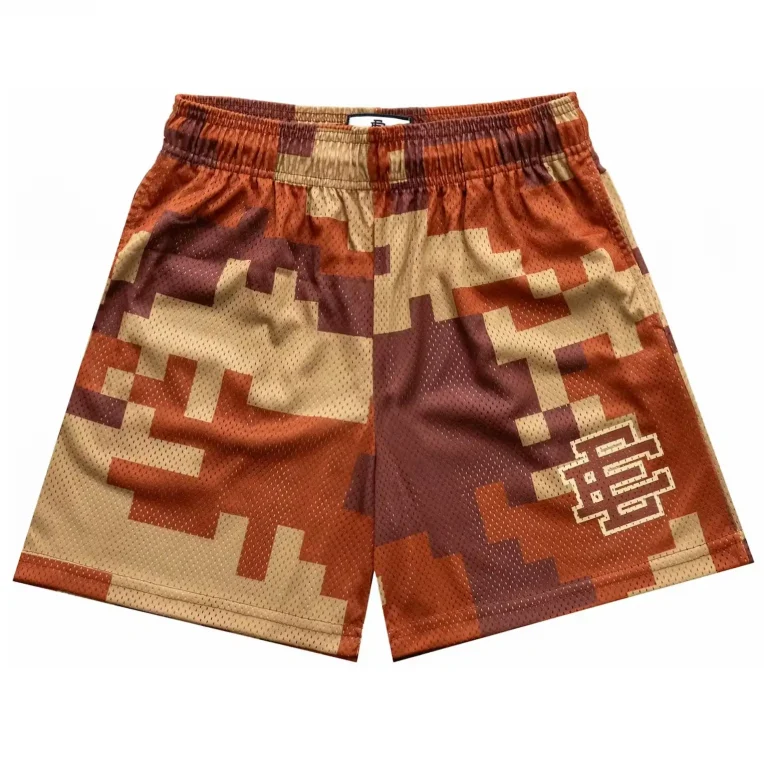
Shop EE Mesh Shorts Now Athleisure Staple

Black-and-Red Eric Emanuel Shorts: What Makes Them Stand Out

Since day one, black and red has stood as the colorway fueling the buzz around Eric Emanuel shorts, and in 2026 it’s still the combo buyers inquire about most. Striking yet understated, this duo performs well across streetwear, gym sessions, and casual weekend outfits. Eric Emanuel shorts black and red versions take major cues from basketball warm-up aesthetics, mesh panels, elastic waistbands, and a boxy fit that falls just above the knee. Anyone keeping up with modern sportswear can recognize that silhouette instantly — it’s become a stand-in for the ee shorts look. As fans of the ee brand, the black and red pairing reads as the truest expression of what Eric Emanuel aimed to build once he expanded past sneakers and jerseys into crafting shorts. It’s a color story anchored in team sports, but it translates cleanly into everyday wardrobes.

Part of the appeal comes from contrast. Black grounds the piece, red adds energy, and together they avoid the flatness that a single-color short can sometimes have. This is why black and red shows up so often across eric emanuel shorts collections alongside camo ee shorts, blue eric emanuel shorts, and the classic white ee skyline prints. Each colorway serves a different mood, but black and red tends to be the one people reach for when they want something that pairs with nearly anything in a rotation. A plain black tee, white sneakers, and a pair of black and red shorts is a combination ee basic hoodie that works in most casual settings without overthinking it.

The Roots Behind the Aesthetic

Eric Emanuel forged his early reputation crafting pieces for hoops culture, and that backstory reveals itself in every seam of his shorts collection. These elements — the mesh fabric, the drawstring waist, and the wide leg opening — all lead back to basketball shorts eric emanuel fans wore courtside before the brand evolved into a streetwear staple. Even now, the ee short silhouette preserves that performance-driven DNA, whether it’s dressed up with a hoodie or worn as part of a full ee sweatsuit. The black and red colorway taps into team-sport nostalgia, recalling classic uniform palettes without directly replicating any particular team.

So many buyers draw parallels between ee shorts men styles and team-branded pieces like eric emanuel yankees shorts or eric emanuel knicks releases, something which stems from that court-rooted heritage. The cut and material heft stay uniform throughout these releases, and this is why repeat buyers have confidence in the sizing once they’ve owned one pair. Erik Emmanuel, sometimes misspelled as erica emanuel or edward emanuel shorts in search results, has built a name recognized well beyond basketball courts. Black and red keeps on sell reliably each season, largely due to the label’s expansion into general streetwear.

Silhouette, Fabric, and Wearability

Comfort is regularly the initial reason buyers bring up when explaining their loyalty to ee mens shorts. The mesh fabric breathes well during workouts, and the relaxed fit doesn’t restrict movement the way tighter athletic shorts can. From a basketball run or lounging at home in an ee sweatsuit, they stay equally suited. While sizing tends to run true to standard men’s shorts sizing, junior cuts differ from adult ones, so shoppers moving between eric emanuel shorts men and eric emanuel youth shorts should consistently review the particular size chart for that release. Eric emanuel shorts kids and eric emanuel shorts youth lines follow a similar design language scaled down, so families can match looks without sacrificing comfort for younger wearers.

A customized fit is allowed by the drawstring waistband, handy given these shorts are cut with extra ease through the hip and thigh. That relaxed cut is intentional. It’s part of why the silhouette photographs so well and why it has stayed consistent even as colorways rotate through camo, blue, white, and black and white eric emanuel shorts options. Among men’s ee shorts buyers who keep buying season after season, the label’s reputation is built on comfort and consistency together.

Real or Replica: Authenticity Matters

Since demand is high, concerns around authenticity surface all the time. Those searching for eric emanuel shorts real or real ee shorts are usually hoping to steer clear of the flood of imitation products online. The safest path is buying through the eric emanuel official website or verified retail partners, since third-party marketplaces can carry inconsistent quality. Listings for eric emanuel shorts amazon exist, but shoppers should scrutinize seller details, return policies, and material descriptions closely before purchasing there, since marketplace listings vary widely in accuracy.

Joint releases bring extra complexity that’s worth grasping. Genuine eric emanuel bape shorts and bape ee shorts pieces came from a genuine collaboration between Eric Emanuel and Bape, so they feature co-branded details that solo ee shorts don’t have. Should a listing be labeled eric emanuel bape shorts but shows no Bape markings, that’s a signal to look closer. A similar principle holds for team-specific drops like eric emanuel yankees or eb shorts labeled with sports branding. Details matter: how the seams are finished, label positioning, and the cord-lock hardware are generally the most reliable route to separate genuine pieces from deceptive replicas.

Wearing Black and Red With Casual Pieces

Because the colorway is so adaptable, black and red ee shorts combine effortlessly with plain tees, hoodies, and even structured jackets for a elevated casual look. Footwear plays a role as well. White sneakers keep the outfit balanced, while red or black sneakers can pick up on the shorts’ palette for a more matched finish. Much of why designer shorts in this specific colorway disappear fast whenever they restock. Layering a black hoodie over the shorts creates a neutral foundation with red as the highlight, which is a combination plenty of streetwear fans repeat across seasons.

For shoppers assembling a rotation, mixing black and red with other colorways in the closet, like blue shorts or a white ee shorts new york city black piece, prevents looks from feeling stale. A lot of buyers approach their shorts collection similarly to how sneaker fans handle their collections, rotating colors based on mood or season. This approach has played a part in making the ee short into a legitimate streetwear category of its own rather than a short-lived trend product.

Popular Eric Emanuel Shorts Colorways Compared

Shade Ideal Match Occasion Fit
Red and Black Black tees paired with white or red kicks Everyday streetwear, casual outings
Camo Shorts by EE Solid neutral tops, boots or trainers Outdoor settings, weekend looks
Eric Emanuel Shorts in Blue Navy or grey layers with white tees Laid-back looks for warmer weather
White EE Shorts Graphic tees paired with contrast-color sneakers Minimal summer-ready outfits
Black and White Almost any top color Year-round versatility

Why Black and Red Selling So Well

Fads in the streetwear space shift rapidly, but black and red has maintained its position in the eric emanuel shorts lineup consistently since the brand’s original basketball-inspired collections. A portion of its durability comes from how seamlessly it slots into wardrobes people already have without requiring a entirely coordinated ensemble. Another part comes from nostalgia. Black and red uniforms have deep roots in sports history, and Eric Emanuel’s designs channel that history without outright replicating any single team’s branding, which helps the designs feel fresh rather than derivative.

Retail data across sneaker and streetwear forums consistently shows black and red restocks moving faster than several other colorways, often selling through within days when eric emanuel official website drops go live. That kind of demand keeps resale interest high too, which is exactly why so many buyers double-check authenticity before paying resale prices. Whether someone is shopping for eric emanuel shorts men, eric emanuel shorts kids, or building out a full ee sweatsuit, black and red remains the safest, most versatile entry point into the ee brand’s world. It’s bold enough to stand out, balanced enough to wear often, and rooted in a design history that continues to shape how basketball-inspired shorts look in 2026.

Prestige Zip Hoodie Owner Review Questions Answered

Prestige Clothing는 Guide to Sizing: Finding Your Ideal Size

For countless shoppers scrolling through a prestige store online, locating the correct fit often turns into guesswork — when in fact it ought not to. Size charts vary between brands, fabrics react differently after washing, and what suits one body type well may fit poorly on another. Here, we unpack how to approach sizing while browsing the prestige collection, which means you’ll waste less time sending things back and extra time actually using pieces that truly work for you. Whether you are considering a prestige hoodie for casual rotation, or you’re putting together a wardrobe from prestige clothing spanning multiple categories, knowing your measurements counts for more than simply trusting the label size. We’ll walk through hands-on steps, typical fit problems, and how to interpret sizing information the right way. By the end, the usual second-guessing should be gone when buying from prestige clothes.

What’s Behind the Confusion Around Sizing

There’s no universal standard for clothing sizes, so a medium from one brand won’t always match a medium in a different one. This is true across the bulk of fashion retail, not only one label, and it’s a key reason shoppers second-guess themselves before checkout. What the fabric is made from also matters — a cotton-blend hoodie behaves differently when stretched than a heavier fleece piece, even if both are labeled the same size. How a garment fits also depends on body shape; two people with the same height and weight can require different sizes depending on shoulder width, heavyweight hoodie torso length, or hip proportion. When people search “what is prestige” and land on the site, one of the first things they usually want clarity on is whether the sizing runs true, small, or large. That question matters because it has a direct impact on purchase confidence. Getting a handle on these variables before you buy lowers the odds of ordering the wrong fit and a frustrating return process.

Start With Your Own Measurements, Not Just Your Usual Size

Category What to Measure Common Mistake
Hoodies Shoulder width, chest, and arm length Going with your typical size instead of checking shoulder width
T-Shirts Chest and length preference Ignoring shrinkage after wash cycles
Outerwear Extra chest room to allow for layering Picking a fit too tight to layer underneath

Hands down the safest strategy to pick the right size is to take your own body measurements rather than going off what you remember about what size you typically wear. Use a soft measuring tape and record your chest or bust circumference, waist, hips, and, for tops, your arm length from shoulder to wrist. Write these numbers down before browsing so you won’t be measuring under pressure at checkout. Specifically for hoodies and outerwear, also measure your shoulder width as it naturally falls, since a boxy fit and a close-cut fit require different shoulder allowances. A common assumption is that size doesn’t change season to season, but minor changes in weight or how you layer (like layering a hoodie over a tee compared to wearing it solo) can shift what feels comfortable. After gathering your measurements, check them against the particular sizing chart for the item you’re considering instead of assuming your usual size carries over exactly.

How to Read a Size Chart the Right Way

A size chart generally displays bodily dimensions in inches or centimeters beside corresponding size labels like S, M, L, or numeric sizing. The mistake many shoppers make is going straight by their normal size label instead of matching their actual measurement to the chart’s numbers. If your chest measures 40 inches and the chart lists Large as 39–41 inches, Large is your match — irrespective of what you typically size as elsewhere. Pay attention also to whether the chart is measuring the garment itself or the body it’s designed to fit, since these can be off by an inch or two for built-in ease. For structured pieces, garment-based charts are particularly helpful, while body-based charts are more effective for stretch materials. If a product page lists both, rely on the garment figures for precise fit, and the body measurement to sanity-check your size choice.

Fit Styles: Breaking Down Slim, Regular, and Oversized

Fit-related language can be just as confusing as sizing numbers, especially when brands use qualitative language instead of strict measurements. A slim fit generally hugs the body more through the chest and arms, leaving less space to layer beneath it. A regular fit allows a bit more ease throughout, usually a couple of inches roomier than slim fits. Oversized fits, popular in recent hoodie and streetwear-inspired collections, are designed with significant extra room in the shoulders, sleeves, and body length — usually adding two to four extra inches compared to regular sizing. When shopping prestige clothing for this style specifically, it may help to size down if you prefer an oversized look without excessive length, since these cuts come with built-in extra room already. By contrast, if you’re ordering a slim-fit item and you’re torn between sizes, sizing up is usually safer than sizing down for comfort reasons.

Category-Specific Fit Notes

Item Category What to Measure Frequent Misstep
Hoodies Chest, shoulder width, arm length Choosing based on usual size instead of shoulder measurement
T-Shirts Chest and length preference Overlooking how much fabric shrinks after washing
Outerwear Chest plus room for layering Sizing too tight to allow underlayers

Various clothing categories need varying sizing considerations, and applying a one-size-fits-all approach often causes sizing errors. Sweatshirts and hoodies should be measured with attention to sleeve length and body length, since these garments are frequently worn with layers underneath when temperatures drop. In addition to waist size, bottoms need careful attention to inseam and rise, particularly if you are tall or petite relative to typical size references. Jackets and coats must always leave room for layering — what fits comfortably over a t-shirt may feel constricting layered atop a hoodie. Fitted tops depend heavily on torso length, so if you’re taller than average, checking the garment’s total length measurement prevents an uncomfortably short fit. Spending a few extra minutes on these category-specific checks meaningfully cuts down on returns.

Contrasting Fit Categories in Brief

The table beneath this outlines how the three common fit categories tend to differ in terms of room and advised fit guidance. Use it as a quick reference when deciding between fit types on a product page.

Fit Category Typical Ease Added Well Suited To Sizing Suggestion
Slim Cut 0–1 inch Layering minimally, tailored look Size up if between sizes
Standard Fit 1–2 inches Daily wear comfort with moderate layering Matches your measured size accurately
Loose Oversized Fit 2–4 inches Streetwear style, heavy layering Consider sizing down for shorter length

What Buyers Share in Prestige Review Feedback

Buyer feedback is one of the most useful tools for getting a sense of true-to-life fit, frequently more dependable than relying on a size chart by itself. Going through a prestige review ahead of purchase can show whether a given product comes up small, large, or accurate to size based on other buyers’ experiences. Seek out reviews where the buyer notes their height, weight, or usual size together with how the item worked for them — this context makes their feedback far more actionable than a generic comment. Repeated mentions of an item “running large” or “fitting snug in the shoulders” across multiple reviews is a strong signal worth taking seriously. Also worth noting: review dates matter, since 2026 season updates to fabric or cut may have shifted the fit somewhat relative to earlier stock. Pairing review insights with your own measurements offers the fullest picture before you commit to buying.

Prestige 2027 & Updates to Fit Each Season

As collections move forward in the run-up to the prestige 2027 planning stages, sizing specs on select items may be fine-tuned based on buyer responses and updated fabric sourcing. Such a thing is typical across the apparel industry—brands as a matter of course refine cuts incrementally from one season to the next to resolve common sizing feedback. In cases where you’ve shopped with the brand in the past and appreciated the fit, you should still re-verifying the size chart on newly launched items rather than assuming matching measurements. Fabric adjustments tied to the season, like a shift to denser fleece for the winter season, can also alter how a garment drapes even if the published measurements stay the same. Keeping close attention to listing copy and revision notes ensures you’re consistently working with up-to-date sizing information rather than stale assumptions from a previous year’s collection.

Making the Most of Best of Prestige Clothing Picks

When exploring best of prestige clothing picks, regardless of whether it’s a signature hoodie or a adaptable layering piece, use the same measure-before-you-buy approach rather than picking based on guesswork. Start with your own numbers, compare with the specific size chart for that item, and account for the fit type: slim, regular, or oversized—before completing your selection. If you’re shopping for gifts, opting for a regular fit in the recipient’s known size is typically the most reliable choice, since it avoids the extremes of slim or oversized cuts. When shopping for yourself, don’t hesitate to blend fits across categories; an oversized hoodie paired with regular-fit bottoms is a popular and easy combination. Spending these extra few minutes during the shopping process delivers returns notably in lowered returns and increased satisfaction with your final purchase.

Luxury Leather Collection The Row Handbag

How The Row Became Synonymous with Quiet Luxury

Ask anyone keeping tabs on fashion in the last decade and they will tell you the same thing: The Row fundamentally reshaped what luxury is meant to look like. No logos shouting from a shoulder strap, no seasonal gimmicks, no colour-blocked campaigns designed to be screenshotted. Instead, the label’s standing was forged through fabric weight, seam placement, and a reserve that formerly was considered unfashionable. That reserve has since become the entire point. The Row has become shorthand for “quiet luxury,” a phrase that gets thrown around loosely but that this brand actually earned through more than fifteen years of unglamorous discipline.

Making sense of this label’s rise to such a position means looking beyond the final product and considering the decisions beneath it: who founded it, its pricing philosophy, and why its bags especially became the essential piece for every minimalist wardrobe.

Origins: The Unexpected Pivot of Mary-Kate and Ashley Olsen

The Row launched in 2006, founded by Mary-Kate and Ashley Olsen, two former child actors who had spent their entire lives in front of cameras and decided, somewhat against expectation, to build one of the most serious ready-to-wear labels of their generation. That name calls back to Savile Row, the London street linked with bespoke tailoring, and it was never a superficial choice. Right away, the Olsens pursued construction quality closer to menswear tailoring houses than what was typical of contemporary womenswear.

The first collections, small and pricey, drew skepticism from critics who questioned whether two actresses could manage anything beyond a vanity project. It didn’t take long before that skepticism dissolved. Within a few years, The Row was picking up the row mini top handle industry recognition, including a CFDA Award, while stockists like Barneys and Net-a-Porter stocked it seriously, not as a novelty line. The brand’s slow, deliberate growth — few flashy collaborations, almost no advertising in the traditional sense — became part of its identity rather than a limitation.

The Olsens, by the 2020s, had assembled something closer to an atelier than a typical fashion label — pattern-cutting and fit sessions able to run for months on a single garment. That obsessiveness is the real engine behind the “quiet luxury” label, and it explains why the brand’s bags, in particular, became such coveted objects.

Why “Quiet Luxury” Became the Defining Phrase

By 2023, the phrase broke into the mainstream, fueled partly by TV and partly by a growing exhaustion with logo-heavy style. However, The Row had been practicing it since 2006, long before anyone had a name for it. The house’s approach hinges on a small set of steadfast tenets: muted color schemes dominated by black, cream, camel and grey; fabrics selected for hand-feel over trend value; and shapes that rarely change dramatically from one season to the next.

Steadiness is approached by this brand as a merit, rather than a stylistic restriction. Set a coat from the 2019 collection next to a 2026 piece and neither will look dated, because the design vocabulary hardly moves. That’s deliberate. What The Row pursues is permanence, not virality, given that buyers who put four figures into one piece generally want lasting value over trendiness.

Cost is a key piece of the puzzle as well. Its market stance sits at the very top of contemporary luxury, with ready-to-wear garments often running into four-figure sums and accessories occupying a comparably exclusive range. This kind of pricing reinforces its exclusive status, but it also mirrors real manufacturing expenses: Italian and Japanese textile sourcing, hand-finishing, and limited manufacturing batches that sidestep the excess-stock cycles common at larger houses.

Where the Brand’s Reputation Really Lives: The Bags

While outerwear built The Row’s formative critical standing, the bags are the thing that carried the brand into broad public consciousness. Online search activity around “the row bags,” “row handbags,” and “the row handbags” has grown steadily as stylists, editors and everyday shoppers alike came to view particular designs as long-term investment pieces rather than seasonal purchases.

The Margaux is the obvious centerpiece. Introduced in the mid-2010s, it became one of those rare bags that transcended its own category — praised for slouchy, structureless leather that looked expensive precisely because it wasn’t trying to look like anything else. Shoppers searching “where to buy The Row Margaux bag” are usually met with long waitlists at flagship stores and select luxury retailers, because production is intentionally limited. That scarcity is not a marketing trick so much as a byproduct of the brand’s small-batch manufacturing philosophy.

Beyond the Margaux, the brand’s tote styles have earned equally loyal fans. The Row’s tote lineup tend to favor oversized proportions, pared-back hardware, and leather that’s meant to soften and develop character with use rather than hold a showroom-new finish. That’s a meaningful departure from bags engineered to look identical on day one and day five hundred. For anyone mentally assembling a “row bags overview” before shopping, it helps to know the house usually organizes its accessories collection into structured top-handle bags, slouchy shoulder bags, and oversized totes — three categories that encompass most of what’s viewed as the top row bags by resale demand and media attention.

Comparing The Row’s Signature Bag Categories

For those unsure where to begin, it’s useful to line up the main bag families together. The comparison below reflects broad traits reported across retail and resale platforms rather than locked-in costs, since availability and cost shift with new drops and resale demand.

Bag Type Shape Well Suited For Market Demand
Margaux Softly structured, slouchy tote Elevated everyday use, work-to-weekend versatility Exceptionally strong; often backordered
The Row Tote in oversized silhouettes Large, minimal-hardware tote Travel, office, capsule wardrobes Strong; steady interest from resellers
Top-handle styles Structured, compact Special occasions, evening outings Moderate; more niche but steady
Shoulder-bag designs Soft, unstructured Everyday casual wear High; favored by minimalist dressers

One thing the chart fails to show is how these bags perform on the secondary market. A number of these silhouettes retain value remarkably well compared to competing luxury brands, which is one reason why searches for “best row bags” frequently direct people toward pre-owned marketplaces and consignment platforms rather than only primary retail. Scarcity paired with a consistent design language creates a remarkably strong resale market — something not every luxury label can claim.

Where The Row Ready-to-Wear Positions Itself in 2026

Heading into 2026, The Row’s broader ready-to-wear line continues to expand cautiously — tailored trousers, cashmere knitwear, and minimalist outerwear remain the backbone, with occasional footwear and jewelry additions that follow the same restrained approach. The brand has resisted the collaboration cycle that so many contemporaries lean on for relevance, and it keeps refusing to embrace social media marketing the way most fashion houses now do as standard practice.

That restraint has, paradoxically, kept it relevant. The Row fashion is often referenced in end-of-year “quiet luxury” lists not because it shifted to follow a trend, but because the trend eventually aligned with what the brand had already been doing since 2006. Retailers observe that interest surges around awards season and major fashion weeks, when editors and stylists put Row pieces on front rows and red carpets, reinforcing the brand’s identity without any paid placements at all.

The Row Sale Occasions and How Shoppers Actually Buy In

Given the price point, no small number of buyers hold out for a The Row markdown moment rather than purchasing at full price, and this has become a recurring seasonal habit. Because The Row rarely discounts through its own channels, most sale activity happens through authorized multi-brand retailers amid their wider seasonal sale windows, as well as occasional stock offloading through resale and consignment marketplaces. Shoppers hunting for the row bags at reduced prices should expect colors and sizes from past seasons instead of the newest drops, since newer styles rarely get discounted quickly.

Patience tends to reward buyers here. Because production runs are small, sale inventory disappears fast, and sought-after Margaux sizes almost never make it through an entire discount stretch. Buyers serious about landing a discounted piece typically track several stockists rather than relying on the brand’s own site, since outside retailers often move faster with markdowns.

Why the Appeal Endures

The Row’s rise says something bigger about where high-end shoppers have moved. After a long stretch of maximalism and logo-driven status symbols, a notable share of the market started valuing invisibility — clothes and bags that communicate taste to people who already know what they’re looking at, instead of announcing cost to the wider world. The Row never ran after that trend; it simply kept doing what it first began in 2006, and the industry, in time, arranged itself around that identical set of principles.

Whether the entry point is a single tote, a waitlisted Margaux, or a full wardrobe built slowly over years, the label’s central promise remains the same: less, but better, crafted with little fanfare. Holding to that promise at scale isn’t easy, and this is the reason The Row still stands nearly alone at the top of quiet luxury heading into 2026.

Aruba Bet tours gratuits – Guide complet pour les joueurs français

Aruba Bet tours gratuits : guide pratique pour les joueurs français

Vous avez entendu parler des Aruba Bet tours gratuits et vous vous demandez comment en profiter sans perdre votre argent ? Ce guide vous explique tout, depuis la création du compte jusqu’aux astuces pour transformer un tour gratuit en gain réel. Nous décortiquons les exigences de mise, les jeux les plus rentables et les moyens de retirer vos gains rapidement. En suivant nos conseils, vous augmenterez vos chances de repartir avec un petit bénéfice dès votre première connexion.

Pour commencer, il suffit de visiter le site officiel et de s’inscrire. La procédure est simple, mais chaque étape compte pour débloquer les tours gratuits offerts aux nouveaux joueurs. Nous détaillons chaque point dans les sections suivantes afin que vous n’ayez aucune surprise.

Qu’est‑ce qu’un tour gratuit chez Aruba Bet ?

Un tour gratuit, souvent appelé « free spin », est une mise virtuelle accordée par le casino pour tester une machine à sous sans dépenser votre propre argent. Chez Aruba Bet, ces tours sont généralement offerts en guise de bienvenue ou lors de promotions ponctuelles. Le principe est le même que dans un casino terrestre : vous lancez la roue, et si le symbole gagnant apparaît, vous remportez un gain réel qui doit être misé avant d’être retiré.

Ces tours gratuits sont limités en nombre et en valeur monétaire, mais ils offrent une excellente occasion de découvrir les jeux proposés sans risque. La plupart du temps, ils sont liés à des machines à sous spécifiques, alors il faut vérifier quelles titres sont éligibles avant de commencer à jouer.

Comment s’inscrire et réclamer vos tours gratuits

Étape 1 – création du compte

Rendez‑vous sur la page d’inscription d’Aruba Bet, remplissez le formulaire avec votre adresse e‑mail, choisissez un mot de passe robuste et indiquez votre pays de résidence (France). Le processus ne dure que quelques minutes, et dès que votre compte est créé, le système vous propose automatiquement le bonus de bienvenue incluant les tours gratuits.

Assurez‑vous d’utiliser un e‑mail que vous consultez régulièrement ; le casino envoie souvent des codes promotionnels ou des confirmations de bonus par ce canal. Une fois le formulaire validé, vous recevrez un e‑mail de confirmation contenant un lien d’activation.

Étape 2 – vérification d’identité

Avant de pouvoir retirer les gains issus de vos tours gratuits, Aruba Bet vous demandera de valider votre identité (processus KYC). Vous devrez fournir une copie d’une pièce d’identité officielle, un justificatif de domicile et parfois une preuve de paiement. Cette étape peut sembler fastidieuse, mais elle garantit la sécurité de vos fonds et la conformité avec la législation française.

La vérification est généralement traitée en 24 à 48 heures. Une fois approuvée, vous pourrez accéder à l’historique de vos bonus et à vos gains, puis demander un retrait si le montant atteint le seuil minimum.

Les conditions à connaître : exigences de mise et jeux éligibles

Comme tout bonus, les Aruba Bet tours gratuits sont soumis à des exigences de mise (wagering requirements). Cela signifie que vous devez jouer le montant gagné un certain nombre de fois avant de pouvoir le retirer. Les exigences varient selon la promotion, mais la plupart des tours gratuits ont un multiplicateur de 30 x.

Condition Détail
Wagering 30 x le gain du tour gratuit
Jeux éligibles Machines à sous listées dans la promotion
Durée 30 jours à compter de l’activation
Montant maximal de gain €100 par session de tours gratuits

Il est crucial de lire les termes et conditions afin d’éviter les mauvaises surprises. Si vous jouez à des jeux non éligibles, le bonus peut être perdu immédiatement. De même, dépasser la durée de validité entraîne la confiscation du solde restant.

Les meilleures machines à sous pour utiliser vos tours gratuits

Tous les jeux ne se valent pas lorsqu’il s’agit d’optimiser les tours gratuits. Certains titres offrent un RTP (Return to Player) élevé et une volatilité modérée, ce qui augmente les chances de transformer un petit gain en profit tangible.

  • Starburst – RTP 96,1 %, volatilité basse, idéal pour des gains fréquents.
  • Book of Dead – RTP 96,21 %, volatilité moyenne, potentiel de gros gains.
  • Gonzo’s Quest – RTP 95,97 %, volatilité moyenne, fonctionnalités avalanche.
  • Jammin’ Jars – RTP 96,83 %, volatilité haute, bonus généreux.
  • Dead or Alive 2 – RTP 96,8 %, volatilité haute, jackpots attractifs.

Choisissez un jeu qui correspond à votre style de jeu : si vous préférez la constance, tournez vers les titres à volatilité basse ; si vous cherchez le gros lot, optez pour la haute volatilité. Dans tous les cas, assurez‑vous que le jeu figure sur la liste des titres éligibles aux tours gratuits.

Méthodes de paiement et rapidité des retraits après gains

Lorsque vous avez satisfait les exigences de mise, la prochaine étape consiste à retirer vos gains. Aruba Bet propose plusieurs méthodes de paiement populaires en France, chacune avec ses propres délais et frais.

  • Carte bancaire (Visa/MasterCard) – retrait en 2‑3 jours ouvrés.
  • E‑wallets (Skrill, Neteller) – généralement instantané.
  • Virement bancaire – 3‑5 jours selon la banque.
  • Prepaid cards (Paysafecard) – retrait possible via conversion en portefeuille électronique.

Les dépôts sont généralement traités immédiatement, ce qui vous permet d’activer vos tours gratuits sans attendre. Notez que certains e‑wallets peuvent être soumis à une vérification supplémentaire, surtout pour les montants élevés.

Mobile et application : jouer vos tours gratuits en déplacement

Aruba Bet propose une version mobile entièrement optimisée qui fonctionne sur iOS et Android. L’interface conserve toutes les fonctionnalités du site de bureau, y compris la réception des tours gratuits et la consultation du solde de bonus.

Si vous préférez une application dédiée, elle est disponible gratuitement sur les stores officiels. L’application garantit des temps de chargement rapides, des notifications push pour les promotions et un accès direct au support client. Vous pouvez ainsi profiter de vos tours gratuits lors de vos trajets, dans un café ou depuis votre canapé.

Support client et sécurité : où trouver de l’aide et jouer en toute confiance

Un bon service client est essentiel, surtout lorsqu’il s’agit de questions sur les bonus. Aruba Bet met à disposition un chat en direct 24 h/24, une adresse e‑mail dédiée et une FAQ détaillée. Les réponses sont généralement fournies en quelques minutes via le chat, et le support téléphonique est disponible en français du lundi au vendredi.

En matière de sécurité, le casino détient une licence de jeu délivrée par l’Autorité de jeu de Curaçao, ce qui impose le respect de standards stricts en matière de protection des données et de jeu responsable. Tous les échanges sont chiffrés grâce au protocole SSL, et les joueurs peuvent activer des limites de dépôt ou de mise via la section « responsible gambling ».

Astuces pour maximiser la valeur des tours gratuits

Voici quelques conseils pratiques pour transformer vos tours gratuits en gains réels :

  1. Choisissez toujours un jeu à haut RTP et à volatilité adaptée à votre profil.
  2. Planifiez vos sessions : jouez pendant les heures creuses pour éviter les lags.
  3. Utilisez les fonctions de mise automatique avec prudence, afin de respecter les exigences de mise sans perdre trop rapidement votre solde.
  4. Suivez de près le compteur de mise ; arrêtez-vous dès que vous avez atteint le multiplicateur requis.
  5. Profitez du programme de fidélité d’Aruba Bet pour obtenir des tours supplémentaires.

En appliquant ces stratégies, vous augmenterez vos chances de transformer un simple tour gratuit en un petit revenu supplémentaire, voire en une vraie victoire.

Conclusion

Les Aruba Bet tours gratuits sont une porte d’entrée idéale pour les joueurs français qui souhaitent découvrir le casino en ligne sans risquer leur propre argent. En suivant les étapes d’inscription, en respectant les exigences de mise et en choisissant les bons jeux, vous pouvez exploiter pleinement ce bonus. N’oubliez pas de vérifier les méthodes de paiement, d’utiliser l’application mobile pour plus de flexibilité, et de recourir au support client en cas de doute.

Prêt à tenter votre chance ? Rendez‑vous dès maintenant sur Aruba Bet casino en ligne pour réclamer vos tours gratuits et commencer votre aventure de jeu en toute sécurité.

Complete Valle Guide Shop Now street ready always

Vale Apparel 2026 Buyer’s Guide: sizing, craftsmanship, releases, and costs

This represents the practical, purchaser-proven manual for the brand’s oversized fits, manufacturing specs, launch timing, and this year’s pricing bands. If you’re seeking the correct fit on your opening try and an easy checkout on limited releases, use this guide.

The brand blends high-end construction with minimalist, urban silhouette, favoring subdued colors, high-quality materials, and the characteristic oversized fit. The label’s approach is exclusive releases, slow-fashion thinking, and tightly edited capsules that continue working well beyond one season. This resource preserves the talk practical: how the silhouettes fit on real bodies, what the garments are constructed from, when launches typically to hit, and the amount you’ll actually invest this year.

Summary: what makes Vale Forever apart

Vale centers on enduring casual silhouettes with upscale fabric choices, minimal logos, and a consistent oversized block. If you prefer minimal design with substance in texture and drape, you’re in the proper track.

Look for boxy tees with extended shoulder lines, heavyweight cotton sweatshirts that maintain shape, relaxed cargo pants and jeans that fall properly over footwear, and outerwear that appear quiet-luxury rather than loud graphics. Collections are limited on intention and develop season to cycle instead of chasing micro-trends, which explains why core pieces keep appearing on inspiration boards long after drop.

How does Vale sizing work? Dimensions decoded

The brand typically runs oversized by intention, so regular fit delivers a comfortable, boxy fall that’s planned. Size down once for a more fitted, regular cut; size up for a maximized, runway-level silhouette.

Shirts are standard in length with an ample body and dropped shoulder, creating this distinctive crisp boxy silhouette. Sweatshirts follow this identical idea with a reinforced hood and rib that won’t bag out. Cargos and jeans lean easy straight, often with room in the seat and upper leg for movement and neat layering at ankle area. Outerwear is designed to layer over pullover without appearing constricted, which indicates your normal fit remains the standard choice even as you’re stacking under it.

Core silhouettes and intended fit

Vale’s blocks are cut to sit away from the torso without looking sloppy. If you valleclothing.net buy the dimensions the company intends, shoulder seam seam will fall slightly off-shoulder, the chest will appear roomy but never ballooned, and hemline will land around low hip on tops.

On lower garments, upper leg ease creates linear silhouettes rather than a taper; ankle opening opening is designed for casual footwear, not boots, and sitting height avoids a low-slung look. This proportion is why the clothing photograph well from various perspectives and remain to feel wearable day to day. The loose aesthetic is a choice in pattern cutting, not a sizing error to correct by default.

Measuring yourself the Vale approach

Take measurements of a favorite garment and match the shape, not simply the label size. This is the quickest path to landing the proper Vale size.

Lay a tee or hoodie flat and measure pit-to-pit, shoulder span, sleeve measurement, and back length. For trousers, measure waist when laid flat, waist-to-crotch, thigh measurement at crotch, inseam, and leg opening. Compare those measurements to Vale’s published garment specs when accessible, or compare with community-posted measurements for that particular piece you’re considering. Emphasize shoulder measurement and torso width for upper garments, and rise plus upper leg for bottoms, since those dictate wearing experience and silhouette.

Caught between sizes? This is what to choose

If you fall between measurements, decide whether you prefer sharp silhouette or maximum roominess; drop a size for crisp, stick to normal for brand-intended, increase size for volume.

For tees and pullover, go smaller if you like sleeves that stop before the elbow area and minimal gathering at bottom edge under outerwear. For cargos and denim bottoms, stick to size if you plan to use a cinching belt and want clean stacking; go smaller only if waist measurement is compact relative to thighs. For outerwear, stay true-to-size because garment construction assume sweatshirt or sweater underneath.

Ladies and shorter frames: dialing in the oversized look

Adjust length first, then breadth. Trimmed or normal-length tops combined with easy pants keep balance intentional on petite builds.

Choose your torso size based on shoulder measurement to prevent droopy sleeve sections that dominate. For trousers, focus on rise and inseam so the leg stacks rather instead of puddles; shortening one to several centimeters maintains the silhouette while correcting length. If you’re curvy, prioritize hip and upper leg room and employ a belt to define the waistline—Vale’s straight leg still reads minimal when tightened.

Alterations and alterations

Basic changes keep the brand’s language intact. Bottom trimming and slight narrowing at the inseam are safe; don’t attempt aggressive body or shoulder alterations.

On tees and pullover, a small body length trim can improve proportions if you’re shorter, but maintain shoulders unmodified to preserve the extended shoulder. On cargo pants and denim, a neat hemming or minor inner leg taper from knee to ankle can improve stacking without killing the uncurved vibe. Jackets is best left unchanged beyond sleeve measurement tweaking.

Quality you can touch: textiles, build methods, and longevity

Their value manifests in textile quality, density, and neat construction rather than prominent logos. You’re paying for flow, resilience, and consistency across seasons.

Anticipate tightly constructed jersey that avoids twisting, brushed cotton that maintains shape after cleaning, and constructed pants that improve without becoming flimsy. The finishing—double-needle hems, reinforced tension zones, neat stitching placement—keeps the minimal design looking premium even after heavy rotation. This is slow-fashion thinking applied to casual essentials.

Materials and substances you’ll encounter

Jersey tees typically fall in a mid-to-heavy weight category with a smooth face and solid hand, which maintains the rectangular silhouette from sagging. Fleece hoodies use textured-interior cotton blends that balance warmth and stability.

Cargos and denim bottoms rely on sturdy twills and jean fabric with enough weight to drape cleanly over shoes while aging rather than falling apart. Knitwear leans toward dense constructions to prevent seam expansion. Outerwear favor tightly woven shells with smooth but durable lining, engineered to work without bulk.

Construction standards: stitching, components, and finishing

Examine double-needle or specialty stitching on bottom edges, bar reinforcements at pocket intersections, and aligned, even visible seaming. These constitute the common indicators of quality basics.

Pockets should sit flat and balanced, elastic trim should return after stretching test, and fasteners should function smoothly with aligned tape. Necklines on t-shirts stay even when collar ribbing is well-made and the seam is precise; on sweatshirts, a correctly placed hood connection avoids warping after wash. These build elements are where understated brand succeeds or struggles, and Vale aims to keep them precise.

Breaking in, maintenance, and shrink prevention

Clean cold, inside out, low spin, and naturally dry to maintain fabric finish and maintain shrinkage reduced. High temperatures is harmful of drape and color.

Most primarily cotton pieces can undergo two to five percent shrink if the wearer tumble machine dry; this is enough to disrupt an deliberately oversized block. Employ a pill remover to manage early fabric pills on stress zones, prevent overloading washing equipment to prevent seam torque, and launder darks with darks to keep pigments vibrant. Structured materials and denim reward time—wear several times before washing to permit creases to set.

When are Vale releases and what’s the way to you cop without stress?

Vale communicates drops through social media and email first, then switches the website at predetermined time. Ready your user profile and checkout info ahead of the drop and check out fast on preferred size.

Expect limited-run releases, with basics resurfacing occasionally and time-specific color themes landing in more compressed windows. Release counters often become active on online store 24 to multiple hours before drop, and sizes can move fast. Handle it like an actual drop, not relaxed browse, and chances climb dramatically.

Release systems and timing patterns

Communication usually flows through social platforms and mailing communications, with obvious date and time cues and merchandise preview. The site switches collections on time with a brief cache delay.

Weekend windows are common across indie streetwear, and Vale gravitates into that behavior. If buying internationally, convert the launch timing and create a notification ten minutes early. Maintain a second device on cellular as a backup in if your computer browser lags.

Bot protection and checkout realities

Moderate bot protection and speed restrictions are normal, so don’t hammer page updates or you’ll trigger a temporary block. One simple refresh at time, then place to shopping bag and move.

Auto-complete, Apple checkout, or payment systems speed users through bottleneck points. Don’t use cart holding while someone debate between different sizes, because reservations are infrequently guaranteed on restricted drops. If you’re sizing off past Vale garment, default to that same tag size unless the product page mentions a difference in block.

Fit availability order and cart strategy

Within streetwear launches, mediums and L sizes are the first to vanish, followed by smaller fits and XL, with outlying fits lingering longer. If someone’s in the most common bracket, move decisively.

Aim for main size initially and complete checkout; if buyers plan a fit exchange with another person, coordinate ahead of the release so people don’t get stuck in checkout. Have your alternative colorway available on another tab only provided you’re prepared to take it—bouncing between screens costs precious seconds.

Other sellers and restocks?

The brand stays primarily direct-to-consumer, with infrequent boutique placements and limited restocks on standard products. Period-specific items are typically one-and-done.

If you miss a core color tee or hoodie, watch their channels for quiet restocks; register for piece-targeted alerts when possible. If buyers miss a time-specific fabric or wash, assume it will not return identically the identical way, which is part of the brand’s limited-drop DNA.

What does Vale expenses total in this year? Pricing brackets and value

Anticipate premium-but-accessible costs for an indie designer company: tops in elevated double numbers, hoodies in beginning-to-center hundreds, and outer layers stepping up. The value lives in fabric density, fall, and lasting construction.

You’re paying for pattern blocks that flatter, fabrics that age well, and creation quantities small enough to remain special. If wearers rotate your pieces rather than beating one garment daily, cost-per-wear drops quickly.

Current cost ranges by classification

These are typical retail ranges for these classifications observed across latest drops and equivalent independent designer streetwear. Precise rates varies by fabric, wash, and hardware.

Type Standard 2026 Retail Range (USD) Details on Price Factors Price
Graphic/Basic Tops $60–$110 Material density, wash treatments, print technique
Sweatshirts/Sweatwear $140–$240 Interior substance, rib density, hardware, pigment application
Cargos $160–$260 Fabric density, pocket build, customizations and hardware
Denim $180–$320 Fabric substance, finishing process, chainstitching
Knitwear $160–$280 Weave density, thread makeup, construction detail
Outerwear $240–$520 Primary textile, interior layer, warmth layer, trims
Accessories (headwear, belts) $40–$120 Fabrics, fixtures, construction

Where quality benefit shows up

Worth is most obvious on tops, pullover, and utility bottoms, where textile substance and shape are noticed immediately. Jackets commands elevated prices because primary textile, lining, and trim choices add real cost.

If someone’s creating a rotation, start where impact is greatest the improvement daily—t-shirt materials and fleece—then incorporate a bottom that locks in silhouette. Reserve the highest cost layer for final unless certain jacket is the piece you’ll use three periods a year.

Secondary market and value retention

Basic shades and fundamental silhouettes tend to maintain worth best because desire doesn’t fade. Period-specific shades and distinctive finishes spike initially, then stabilize once the next drop hits.

If someone purchases to use, you’re safe choosing basic palette. If someone’s concerned about possible resale, focus on in-demand sizes and skip heavy wear in the first few weeks. Complete packaging—labels, protective covering, spare buttons—matters when you list later.

Genuine products, delivery, and returns: the must-knows

Buy from primary site or approved sellers linked by the brand. Review policy sections for transport choices, tax management, and return windows before drop day.

Boutique labels evolve rules as expansion happens, and cross-border fees can alter with minimal warning. The simplest method to prevent issues is to read the shipping and refund pages on specific product drop you’re purchasing, not old policy from earlier periods.

Authentication and package signs

Real Vale is delivered with standard woven tags, clean text, and careful construction that corresponds to product photos. Graphics and stitched details should be sharp, not unclear or improperly placed.

Sewing paths run aligned, ribbing feels solid, and materials have a premium hand. Imitations often lack proportion, with neck areas too narrow, upper sections too narrow for the tagged size, or print location a slight amount off. Compare the SKU naming and shade details against brand’s archive records when available.

Import taxes, charges, and transport periods

Domestic shipping times are usually faster than international, and customs fees for foreign deliveries depend on country and purchase amount. Whether charges are gathered at purchase or on delivery depends on shipping company setup.

If buyers are outside the brand’s home region, look for fee-covered option at checkout; if it’s missing, assume charges could owe on delivery. Shipping companies vary by release and location, so follow the shipment number rather than general timelines, and plan for peak-season slowdowns during major drops.

Exchanges and returns

Return windows on independent labels typically are limited, and discounted items often fall under no return policies. If someone plans to change fits, know procedures before completing out.

Keep swing labels attached and try on indoors. If company offers exchanges, move fast to get the fit you want before new inventory vanish. Return charges sometimes occur to returned products, and delivery costs on returns is usually at purchaser’s cost; include that into dimension selections.

Build your starting Vale rotation: wise choices

Launch with a core tee, substantial hoodie, and one relaxed lower garment, then incorporate a single outer garment that works with the entire collection. Maintain colors subdued to maximize combinations.

A bone, charcoal, or neutral tee anchors outfits under outerwear. A moderate or dense grey or charcoal hoodie offers you everyday options. For pants, choose relaxed straight denim in simple wash or sturdy twill cargo in natural tone. If buyers seek a focal point, make the choice your outer layer: a subtly built bomber or clean parka that layers over the hoodie and balances the oversized upper block.

Year‑round essentials

Pick jersey with sufficient substance to drape rather than attach, and hoodies with ribbing that bounces back after a stretch. On bottoms, prioritize rise and thigh ease so someone’s comfortable across seasons.

Cycle two tees and single hoodie as your base, then switch between denim and utility bottoms for contrasting fabrics. This small capsule will carry you through most weeks while you learn how these silhouettes behave on your frame.

Time-limited focal pieces

When release includes unique wash, fabric surface, or outer layer textile, choose item that elevates what presently own rather over chasing single-look piece. The objective is to increase combinations.

A detailed knitwear in subtle tone brings depth under outerwear without prominent graphics. A washed black denim or deep olive cargo adds tonal variety and rounds out the rotation. If outerwear comes in unique fabric, secure it in only when it complements your core palette.

Main points for 2025 buyers

Buy true to size for planned oversized silhouette, size down for more defined read, and compare garment specs to a favorite piece to eliminate returns. Focus on textile quality and manufacturing precision to assess quality, and care cold with hang dry to keep silhouette and pigment. Treat drops like timed releases: set up your account, use fast payment, and finalize order decisively on main size. Look for premium-but-accessible rates for independent designer company, with highest value in t-shirts, hoodies, and cargos. Stay to official channels for authenticity, confirm duties and return policies at checkout, and create a rotation around understated tones before seeking seasonal statements.

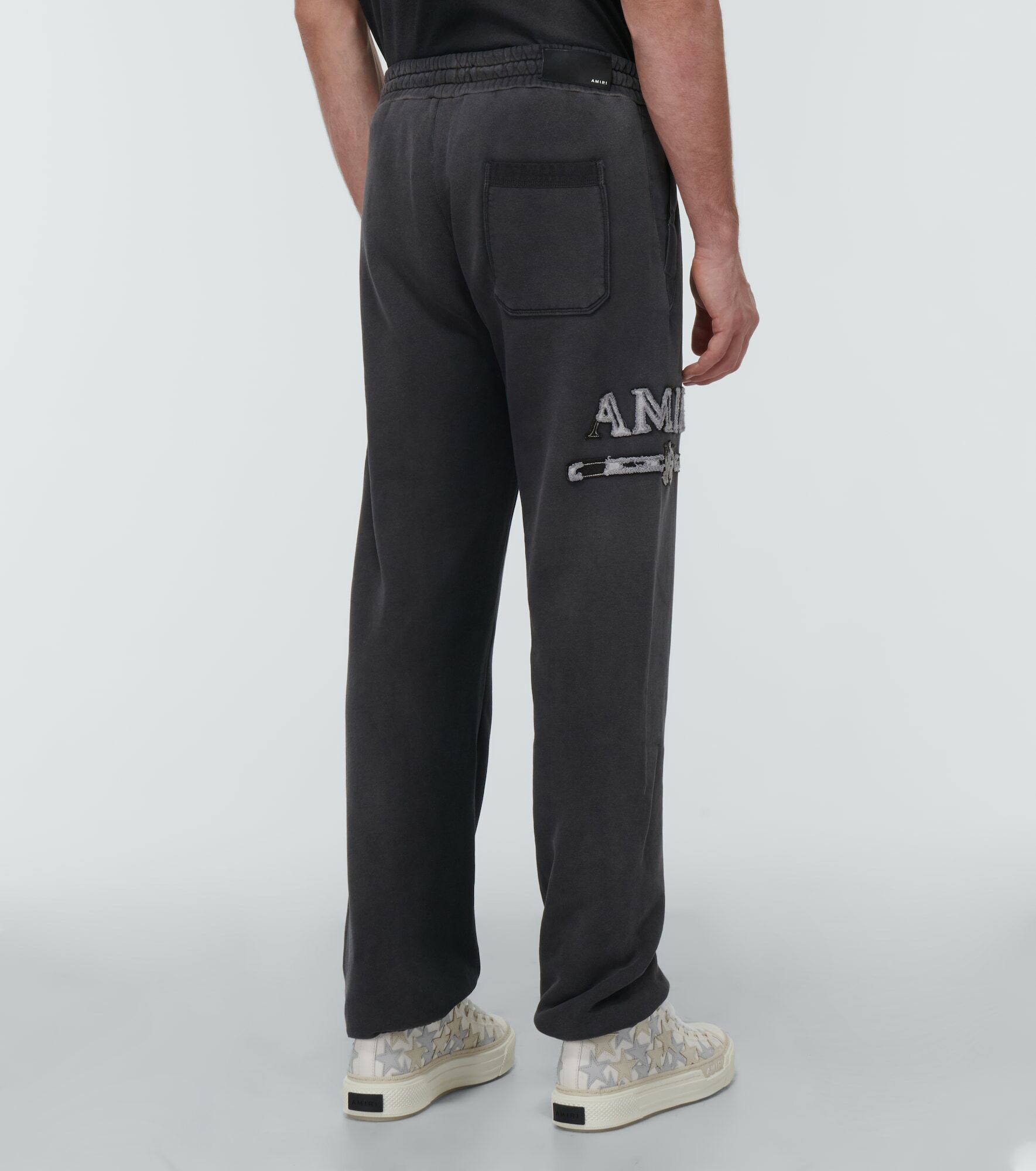
Vale Apparel 2026 Buyer’s Guide: sizing, craftsmanship, releases, and costs

This represents the practical, purchaser-proven manual for the brand’s oversized fits, manufacturing specs, launch timing, and this year’s pricing bands. If you’re seeking the correct fit on your opening try and an easy checkout on limited releases, use this guide.

The brand blends high-end construction with minimalist, urban silhouette, favoring subdued colors, high-quality materials, and the characteristic oversized fit. The label’s approach is exclusive releases, slow-fashion thinking, and tightly edited capsules that continue working well beyond one season. This resource preserves the talk practical: how the silhouettes fit on real bodies, what the garments are constructed from, when launches typically to hit, and the amount you’ll actually invest this year.

Summary: what makes Vale Forever apart

Vale centers on enduring casual silhouettes with upscale fabric choices, minimal logos, and a consistent oversized block. If you prefer minimal design with substance in texture and drape, you’re in the proper track.

Look for boxy tees with extended shoulder lines, heavyweight cotton sweatshirts that maintain shape, relaxed cargo pants and jeans that fall properly over footwear, and outerwear that appear quiet-luxury rather than loud graphics. Collections are limited on intention and develop season to cycle instead of chasing micro-trends, which explains why core pieces keep appearing on inspiration boards long after drop.

How does Vale sizing work? Dimensions decoded

The brand typically runs oversized by intention, so regular fit delivers a comfortable, boxy fall that’s planned. Size down once for a more fitted, regular cut; size up for a maximized, runway-level silhouette.

Shirts are standard in length with an ample body and dropped shoulder, creating this distinctive crisp boxy silhouette. Sweatshirts follow this identical idea with a reinforced hood and rib that won’t bag out. Cargos and jeans lean easy straight, often with room in the seat and upper leg for movement and neat layering at ankle area. Outerwear is designed to layer over pullover without appearing constricted, which indicates your normal fit remains the standard choice even as you’re stacking under it.

Core silhouettes and intended fit

Vale’s blocks are cut to sit away from the torso without looking sloppy. If you valleclothing.net buy the dimensions the company intends, shoulder seam seam will fall slightly off-shoulder, the chest will appear roomy but never ballooned, and hemline will land around low hip on tops.

On lower garments, upper leg ease creates linear silhouettes rather than a taper; ankle opening opening is designed for casual footwear, not boots, and sitting height avoids a low-slung look. This proportion is why the clothing photograph well from various perspectives and remain to feel wearable day to day. The loose aesthetic is a choice in pattern cutting, not a sizing error to correct by default.

Measuring yourself the Vale approach

Take measurements of a favorite garment and match the shape, not simply the label size. This is the quickest path to landing the proper Vale size.

Lay a tee or hoodie flat and measure pit-to-pit, shoulder span, sleeve measurement, and back length. For trousers, measure waist when laid flat, waist-to-crotch, thigh measurement at crotch, inseam, and leg opening. Compare those measurements to Vale’s published garment specs when accessible, or compare with community-posted measurements for that particular piece you’re considering. Emphasize shoulder measurement and torso width for upper garments, and rise plus upper leg for bottoms, since those dictate wearing experience and silhouette.

Caught between sizes? This is what to choose

If you fall between measurements, decide whether you prefer sharp silhouette or maximum roominess; drop a size for crisp, stick to normal for brand-intended, increase size for volume.

For tees and pullover, go smaller if you like sleeves that stop before the elbow area and minimal gathering at bottom edge under outerwear. For cargos and denim bottoms, stick to size if you plan to use a cinching belt and want clean stacking; go smaller only if waist measurement is compact relative to thighs. For outerwear, stay true-to-size because garment construction assume sweatshirt or sweater underneath.

Ladies and shorter frames: dialing in the oversized look

Adjust length first, then breadth. Trimmed or normal-length tops combined with easy pants keep balance intentional on petite builds.

Choose your torso size based on shoulder measurement to prevent droopy sleeve sections that dominate. For trousers, focus on rise and inseam so the leg stacks rather instead of puddles; shortening one to several centimeters maintains the silhouette while correcting length. If you’re curvy, prioritize hip and upper leg room and employ a belt to define the waistline—Vale’s straight leg still reads minimal when tightened.

Alterations and alterations

Basic changes keep the brand’s language intact. Bottom trimming and slight narrowing at the inseam are safe; don’t attempt aggressive body or shoulder alterations.

On tees and pullover, a small body length trim can improve proportions if you’re shorter, but maintain shoulders unmodified to preserve the extended shoulder. On cargo pants and denim, a neat hemming or minor inner leg taper from knee to ankle can improve stacking without killing the uncurved vibe. Jackets is best left unchanged beyond sleeve measurement tweaking.

Quality you can touch: textiles, build methods, and longevity

Their value manifests in textile quality, density, and neat construction rather than prominent logos. You’re paying for flow, resilience, and consistency across seasons.

Anticipate tightly constructed jersey that avoids twisting, brushed cotton that maintains shape after cleaning, and constructed pants that improve without becoming flimsy. The finishing—double-needle hems, reinforced tension zones, neat stitching placement—keeps the minimal design looking premium even after heavy rotation. This is slow-fashion thinking applied to casual essentials.

Materials and substances you’ll encounter

Jersey tees typically fall in a mid-to-heavy weight category with a smooth face and solid hand, which maintains the rectangular silhouette from sagging. Fleece hoodies use textured-interior cotton blends that balance warmth and stability.

Cargos and denim bottoms rely on sturdy twills and jean fabric with enough weight to drape cleanly over shoes while aging rather than falling apart. Knitwear leans toward dense constructions to prevent seam expansion. Outerwear favor tightly woven shells with smooth but durable lining, engineered to work without bulk.

Construction standards: stitching, components, and finishing

Examine double-needle or specialty stitching on bottom edges, bar reinforcements at pocket intersections, and aligned, even visible seaming. These constitute the common indicators of quality basics.

Pockets should sit flat and balanced, elastic trim should return after stretching test, and fasteners should function smoothly with aligned tape. Necklines on t-shirts stay even when collar ribbing is well-made and the seam is precise; on sweatshirts, a correctly placed hood connection avoids warping after wash. These build elements are where understated brand succeeds or struggles, and Vale aims to keep them precise.

Breaking in, maintenance, and shrink prevention

Clean cold, inside out, low spin, and naturally dry to maintain fabric finish and maintain shrinkage reduced. High temperatures is harmful of drape and color.

Most primarily cotton pieces can undergo two to five percent shrink if the wearer tumble machine dry; this is enough to disrupt an deliberately oversized block. Employ a pill remover to manage early fabric pills on stress zones, prevent overloading washing equipment to prevent seam torque, and launder darks with darks to keep pigments vibrant. Structured materials and denim reward time—wear several times before washing to permit creases to set.

When are Vale releases and what’s the way to you cop without stress?

Vale communicates drops through social media and email first, then switches the website at predetermined time. Ready your user profile and checkout info ahead of the drop and check out fast on preferred size.

Expect limited-run releases, with basics resurfacing occasionally and time-specific color themes landing in more compressed windows. Release counters often become active on online store 24 to multiple hours before drop, and sizes can move fast. Handle it like an actual drop, not relaxed browse, and chances climb dramatically.

Release systems and timing patterns

Communication usually flows through social platforms and mailing communications, with obvious date and time cues and merchandise preview. The site switches collections on time with a brief cache delay.

Weekend windows are common across indie streetwear, and Vale gravitates into that behavior. If buying internationally, convert the launch timing and create a notification ten minutes early. Maintain a second device on cellular as a backup in if your computer browser lags.

Bot protection and checkout realities

Moderate bot protection and speed restrictions are normal, so don’t hammer page updates or you’ll trigger a temporary block. One simple refresh at time, then place to shopping bag and move.

Auto-complete, Apple checkout, or payment systems speed users through bottleneck points. Don’t use cart holding while someone debate between different sizes, because reservations are infrequently guaranteed on restricted drops. If you’re sizing off past Vale garment, default to that same tag size unless the product page mentions a difference in block.

Fit availability order and cart strategy

Within streetwear launches, mediums and L sizes are the first to vanish, followed by smaller fits and XL, with outlying fits lingering longer. If someone’s in the most common bracket, move decisively.

Aim for main size initially and complete checkout; if buyers plan a fit exchange with another person, coordinate ahead of the release so people don’t get stuck in checkout. Have your alternative colorway available on another tab only provided you’re prepared to take it—bouncing between screens costs precious seconds.

Other sellers and restocks?

The brand stays primarily direct-to-consumer, with infrequent boutique placements and limited restocks on standard products. Period-specific items are typically one-and-done.

If you miss a core color tee or hoodie, watch their channels for quiet restocks; register for piece-targeted alerts when possible. If buyers miss a time-specific fabric or wash, assume it will not return identically the identical way, which is part of the brand’s limited-drop DNA.

What does Vale expenses total in this year? Pricing brackets and value

Anticipate premium-but-accessible costs for an indie designer company: tops in elevated double numbers, hoodies in beginning-to-center hundreds, and outer layers stepping up. The value lives in fabric density, fall, and lasting construction.

You’re paying for pattern blocks that flatter, fabrics that age well, and creation quantities small enough to remain special. If wearers rotate your pieces rather than beating one garment daily, cost-per-wear drops quickly.

Current cost ranges by classification

These are typical retail ranges for these classifications observed across latest drops and equivalent independent designer streetwear. Precise rates varies by fabric, wash, and hardware.

Type Standard 2026 Retail Range (USD) Details on Price Factors Price
Graphic/Basic Tops $60–$110 Material density, wash treatments, print technique
Sweatshirts/Sweatwear $140–$240 Interior substance, rib density, hardware, pigment application
Cargos $160–$260 Fabric density, pocket build, customizations and hardware
Denim $180–$320 Fabric substance, finishing process, chainstitching
Knitwear $160–$280 Weave density, thread makeup, construction detail
Outerwear $240–$520 Primary textile, interior layer, warmth layer, trims
Accessories (headwear, belts) $40–$120 Fabrics, fixtures, construction

Where quality benefit shows up

Worth is most obvious on tops, pullover, and utility bottoms, where textile substance and shape are noticed immediately. Jackets commands elevated prices because primary textile, lining, and trim choices add real cost.

If someone’s creating a rotation, start where impact is greatest the improvement daily—t-shirt materials and fleece—then incorporate a bottom that locks in silhouette. Reserve the highest cost layer for final unless certain jacket is the piece you’ll use three periods a year.

Secondary market and value retention

Basic shades and fundamental silhouettes tend to maintain worth best because desire doesn’t fade. Period-specific shades and distinctive finishes spike initially, then stabilize once the next drop hits.

If someone purchases to use, you’re safe choosing basic palette. If someone’s concerned about possible resale, focus on in-demand sizes and skip heavy wear in the first few weeks. Complete packaging—labels, protective covering, spare buttons—matters when you list later.

Genuine products, delivery, and returns: the must-knows

Buy from primary site or approved sellers linked by the brand. Review policy sections for transport choices, tax management, and return windows before drop day.

Boutique labels evolve rules as expansion happens, and cross-border fees can alter with minimal warning. The simplest method to prevent issues is to read the shipping and refund pages on specific product drop you’re purchasing, not old policy from earlier periods.

Authentication and package signs

Real Vale is delivered with standard woven tags, clean text, and careful construction that corresponds to product photos. Graphics and stitched details should be sharp, not unclear or improperly placed.

Sewing paths run aligned, ribbing feels solid, and materials have a premium hand. Imitations often lack proportion, with neck areas too narrow, upper sections too narrow for the tagged size, or print location a slight amount off. Compare the SKU naming and shade details against brand’s archive records when available.

Import taxes, charges, and transport periods

Domestic shipping times are usually faster than international, and customs fees for foreign deliveries depend on country and purchase amount. Whether charges are gathered at purchase or on delivery depends on shipping company setup.

If buyers are outside the brand’s home region, look for fee-covered option at checkout; if it’s missing, assume charges could owe on delivery. Shipping companies vary by release and location, so follow the shipment number rather than general timelines, and plan for peak-season slowdowns during major drops.

Exchanges and returns

Return windows on independent labels typically are limited, and discounted items often fall under no return policies. If someone plans to change fits, know procedures before completing out.

Keep swing labels attached and try on indoors. If company offers exchanges, move fast to get the fit you want before new inventory vanish. Return charges sometimes occur to returned products, and delivery costs on returns is usually at purchaser’s cost; include that into dimension selections.

Build your starting Vale rotation: wise choices

Launch with a core tee, substantial hoodie, and one relaxed lower garment, then incorporate a single outer garment that works with the entire collection. Maintain colors subdued to maximize combinations.

A bone, charcoal, or neutral tee anchors outfits under outerwear. A moderate or dense grey or charcoal hoodie offers you everyday options. For pants, choose relaxed straight denim in simple wash or sturdy twill cargo in natural tone. If buyers seek a focal point, make the choice your outer layer: a subtly built bomber or clean parka that layers over the hoodie and balances the oversized upper block.

Year‑round essentials

Pick jersey with sufficient substance to drape rather than attach, and hoodies with ribbing that bounces back after a stretch. On bottoms, prioritize rise and thigh ease so someone’s comfortable across seasons.

Cycle two tees and single hoodie as your base, then switch between denim and utility bottoms for contrasting fabrics. This small capsule will carry you through most weeks while you learn how these silhouettes behave on your frame.

Time-limited focal pieces

When release includes unique wash, fabric surface, or outer layer textile, choose item that elevates what presently own rather over chasing single-look piece. The objective is to increase combinations.

A detailed knitwear in subtle tone brings depth under outerwear without prominent graphics. A washed black denim or deep olive cargo adds tonal variety and rounds out the rotation. If outerwear comes in unique fabric, secure it in only when it complements your core palette.

Main points for 2025 buyers

Buy true to size for planned oversized silhouette, size down for more defined read, and compare garment specs to a favorite piece to eliminate returns. Focus on textile quality and manufacturing precision to assess quality, and care cold with hang dry to keep silhouette and pigment. Treat drops like timed releases: set up your account, use fast payment, and finalize order decisively on main size. Look for premium-but-accessible rates for independent designer company, with highest value in t-shirts, hoodies, and cargos. Stay to official channels for authenticity, confirm duties and return policies at checkout, and create a rotation around understated tones before seeking seasonal statements.